S. Black

Sam Black is an article writer specializing on various health and medical topics, specifically first aid and CPR. As a registered nurse with a few years of experience in the field, he eagerly shares his knowledge on first aid, CPR and other associated topics to others through his writing. Sharing basic and important facts on first aid care can keep others well-informed on what to do during emergencies. Whether at home, school or in the workplace, being familiar even with basic measures can make a difference. By spending several years on focusing on health-related topics, he is a good provider of health-related articles published in various websites.

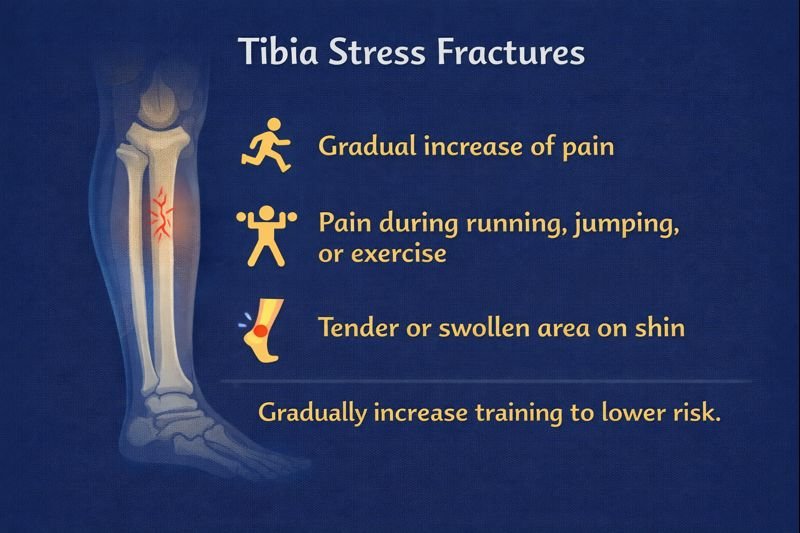
Tibia stress fractures infographic

Tibia Stress Fractures: Awareness, Symptoms & Activity Considerations

The tibia (shin bone) is the largest weight-bearing bone in the lower leg. Repetitive impact—such as running, jumping, or sudden increases in training—can lead to tiny cracks in the bone called stress fractures. These can also occur when weakened bones are exposed to physical stress, such as in individuals with osteoporosis or certain chronic conditions.

Tibia Stress Fractures: Awareness, Symptoms & Activity Considerations Read More »

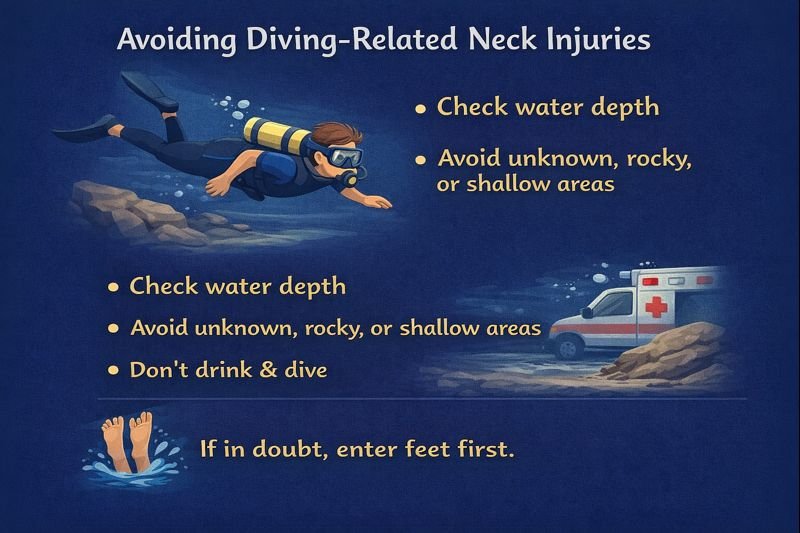
Diving safety tips and precautions

Diving-Related Neck Injuries: Awareness, Risks & Prevention

Swimming, scuba diving, snorkelling, and recreational boating allow people to explore underwater environments. While these activities are enjoyable, diving accidents can result in neck injuries. These injuries may affect bones, joints, nerves, and in serious cases the spinal cord. Awareness of neck injuries helps participants and supervisors make safer decisions around water. Relevance in First

Diving-Related Neck Injuries: Awareness, Risks & Prevention Read More »

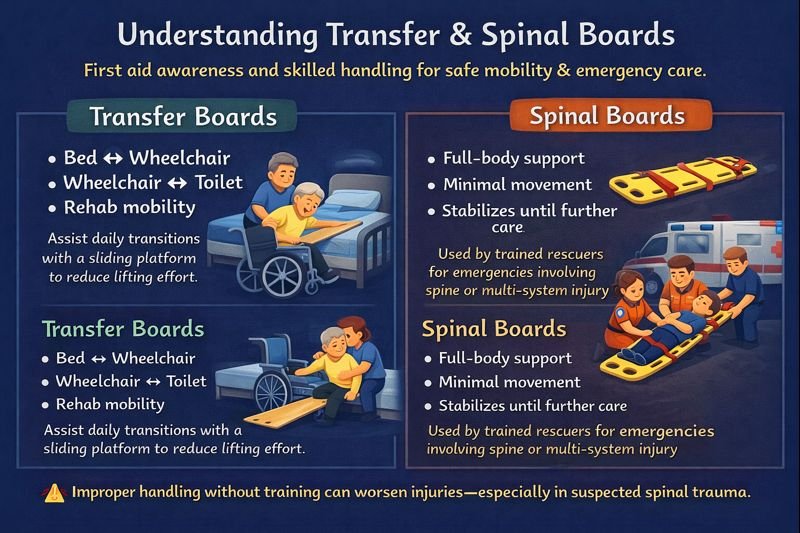
Transfer and spinal boards explained

Transfer Boards & Spinal Boards: First Aid Awareness & Safe Handling Context

Transfer boards and spinal boards are used to move individuals safely when they cannot move independently. These devices help reduce strain on caregivers and minimize the risk of further injury to the individual being moved. Relevance in First Aid & Canadian Settings Transfer tools are used in healthcare, long-term care homes, rehabilitation settings, workplaces, and

Transfer Boards & Spinal Boards: First Aid Awareness & Safe Handling Context Read More »

Broken Wrist Awareness: Causes, Symptoms & Recovery Considerations

A broken wrist (wrist fracture) is a common injury, especially among children involved in sports and older adults with osteoporosis or reduced bone density. Wrist fractures typically occur when a person falls and instinctively puts their hands out to stop the impact. Early recognition of fractures and proper medical care support better recovery outcomes and

Broken Wrist Awareness: Causes, Symptoms & Recovery Considerations Read More »

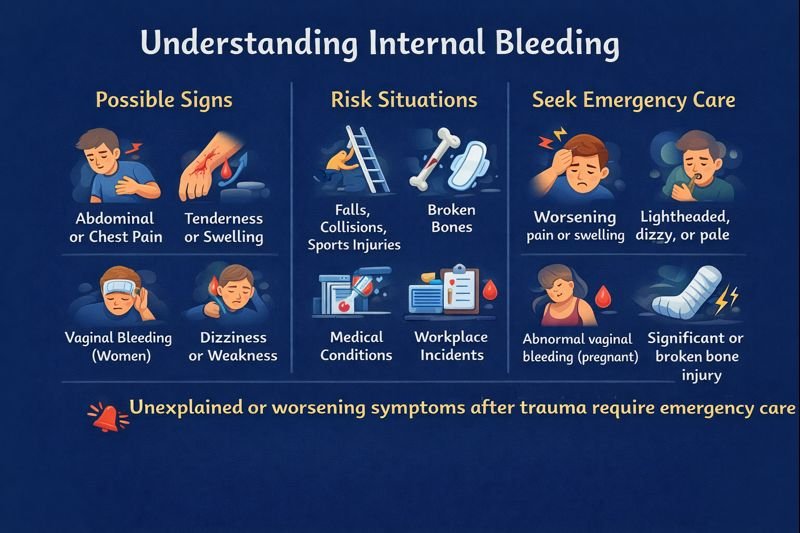
Understanding internal bleeding key signs and risks

Internal Bleeding Awareness: Signs, Risks & When to Seek Care

External bleeding is easy to see, but bleeding inside the body can be harder to recognize. Internal bleeding can occur after trauma, falls, collisions, or medical conditions affecting organs or blood vessels. Awareness of possible signs helps people take symptoms seriously and seek emergency care promptly. Relevance in First Aid & Canadian Workplaces Falls, vehicle

Internal Bleeding Awareness: Signs, Risks & When to Seek Care Read More »

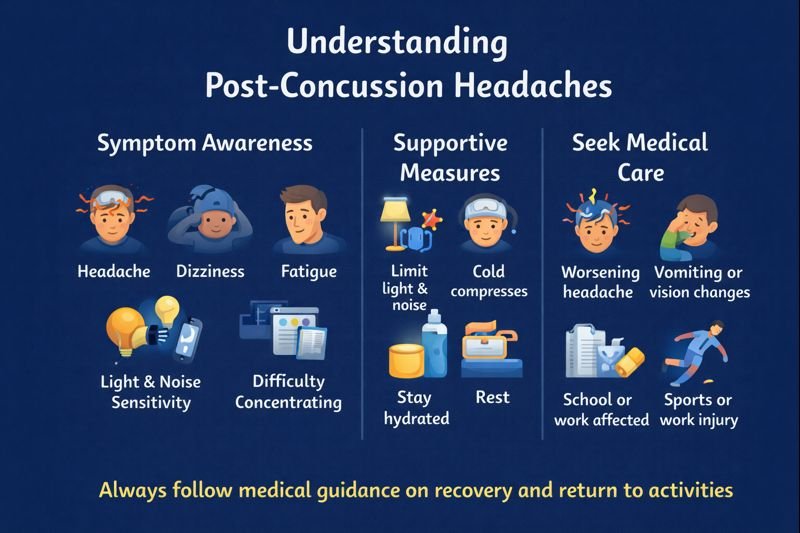
Understanding post-concussion headaches infographic

Post-Concussion Headaches: Awareness, Symptoms & Recovery Considerations

Headaches are a common symptom after a concussion or mild traumatic brain injury. Some people experience discomfort for days or weeks as the brain recovers. If a person has sustained a head injury and experiences persistent symptoms—such as nausea, dizziness, confusion, or memory issues—medical assessment is recommended. Relevance in First Aid & Canadian Settings Concussions

Post-Concussion Headaches: Awareness, Symptoms & Recovery Considerations Read More »

Shopping Cart
Scroll to Top