S. Black

Sam Black is an article writer specializing on various health and medical topics, specifically first aid and CPR. As a registered nurse with a few years of experience in the field, he eagerly shares his knowledge on first aid, CPR and other associated topics to others through his writing. Sharing basic and important facts on first aid care can keep others well-informed on what to do during emergencies. Whether at home, school or in the workplace, being familiar even with basic measures can make a difference. By spending several years on focusing on health-related topics, he is a good provider of health-related articles published in various websites.

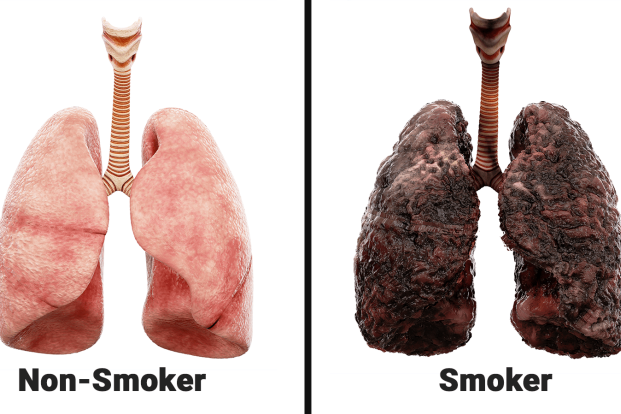
How Cigarette Smoke Affects the Respiratory System: First Aid & Workplace Safety Awareness in Canada

A healthy respiratory system is designed to protect the lungs from occasional exposure to dust, smoke, and other airborne irritants. However, cigarette smoke overwhelms and damages these natural defenses, exposing the lungs to thousands of toxic chemicals on a daily basis. It is important to recognize that secondhand smoke carries many of the same dangers […]
How Cigarette Smoke Affects the Respiratory System: First Aid & Workplace Safety Awareness in Canada Read More »

Maple Syrup Allergy: Symptoms, First Aid Response, and Food Safety Awareness in Canada

Maple syrup is a well-known and widely enjoyed Canadian food, but for a small number of people, it can trigger an allergic reaction. While a true maple syrup allergy is considered uncommon, it is important to recognize the symptoms early and understand how to respond—especially in homes, schools, restaurants, and workplaces where food exposure is

Maple Syrup Allergy: Symptoms, First Aid Response, and Food Safety Awareness in Canada Read More »

Sulfite Sensitivity vs Sulfite Allergy: Symptoms, First Aid Response, and Food Safety in Canada

Many individuals believe they have a sulfite allergy, but in most cases, the reaction is actually a sulfite sensitivity. Sulfites are chemical preservatives commonly used in beer, wine, processed foods, medications, and dried fruits to extend shelf life, preserve colour, and prevent bacterial growth. Understanding the difference between true allergy and sensitivity is especially important

Sulfite Sensitivity vs Sulfite Allergy: Symptoms, First Aid Response, and Food Safety in Canada Read More »

asthma-attack

Yellow Food Dye Allergy: Symptoms, First Aid Response, and Food Safety Awareness in Canada

Yellow food dye, commonly found in processed foods, medications, and beverages, is known to trigger mild to severe allergic or sensitivity reactions in some individuals. These reactions are typically linked to synthetic dyes such as tartrazine (Yellow No. 5) and related chemical compounds. From a Canadian first aid, CPR, workplace safety, and food safety training

Yellow Food Dye Allergy: Symptoms, First Aid Response, and Food Safety Awareness in Canada Read More »

Skin Rashes After Shellfish Exposure: Allergy Signs, First Aid, and Food Safety Awareness in Canada

Developing a skin rash after eating or handling shellfish is a strong warning sign of a shellfish allergy, which is considered one of the most serious food allergies. In Canada, shellfish allergies are a key focus in first aid training, CPR courses, workplace safety programs, and food safety education, particularly in restaurants, food processing, childcare,

Skin Rashes After Shellfish Exposure: Allergy Signs, First Aid, and Food Safety Awareness in Canada Read More »

Foods That Can Trigger Colon Pain: What to Know for Digestive Health, First Aid, and Workplace Wellness in Canada

Certain foods do not cause colon pain in people with a healthy digestive system. However, for individuals living with irritable bowel syndrome (IBS), colitis, or diverticular disease, specific foods and eating habits can trigger uncomfortable — and sometimes disruptive — symptoms. In Canadian workplaces, schools, and public settings, digestive flare-ups are a common reason for

Foods That Can Trigger Colon Pain: What to Know for Digestive Health, First Aid, and Workplace Wellness in Canada Read More »

Fish Allergy and Eczema: Recognizing Skin Reactions, First Aid Response, and Food Safety in Canada

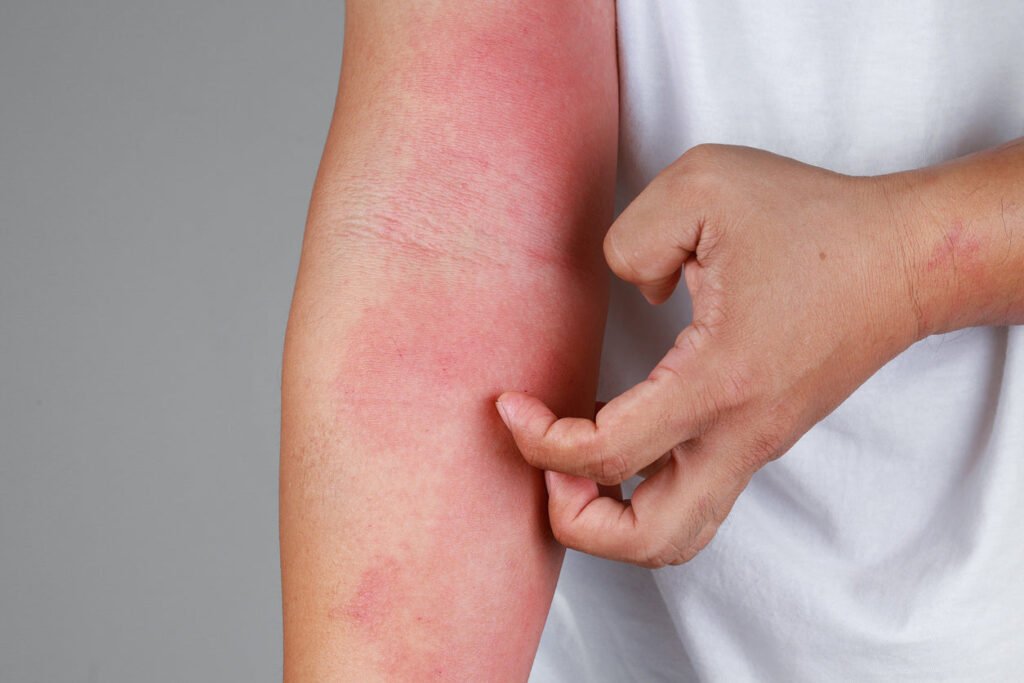
A common sign of a fish allergy is the development of eczema or other skin rashes shortly after eating seafood, including fish. If an individual eats fish and then develops a blister-like rash that oozes, weeps, or crusts, this strongly suggests an allergic reaction to fish. Fish allergies affect millions of people worldwide, including many

Fish Allergy and Eczema: Recognizing Skin Reactions, First Aid Response, and Food Safety in Canada Read More »

Puffy Eyes After Eating Fish: Food Allergy Warning Signs & First Aid in Canada

Puffy eyes that develop shortly after eating fish can be a sign of a food allergy — one of the most common triggers of serious reactions in both children and adults. Fish and shellfish allergies are often lifelong, and in some individuals can progress to anaphylaxis, a medical emergency. In Canada, fish is considered a

Puffy Eyes After Eating Fish: Food Allergy Warning Signs & First Aid in Canada Read More »

Seasonal Allergies in Canada

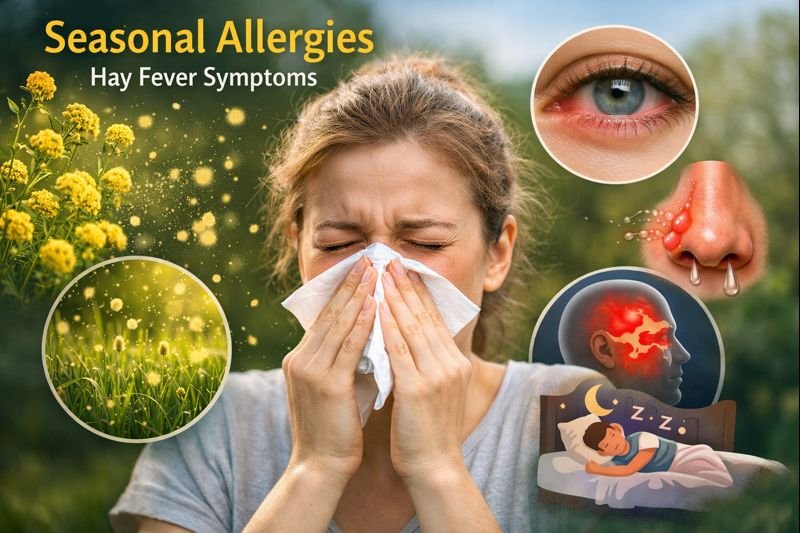
Seasonal Allergies in Canada: Why Hay Fever Feels Like a Never-Ending Cold

Seasonal allergies — also called hay fever or seasonal allergic rhinitis — affect millions of Canadians each year, particularly during spring and late summer. Although symptoms can mimic the common cold, seasonal allergies are immune reactions to airborne pollen from trees, grasses, and flowers. Pollen exposure activates an inflammatory response in the airways, causing symptoms

Seasonal Allergies in Canada: Why Hay Fever Feels Like a Never-Ending Cold Read More »

Bloating after Eating Fish

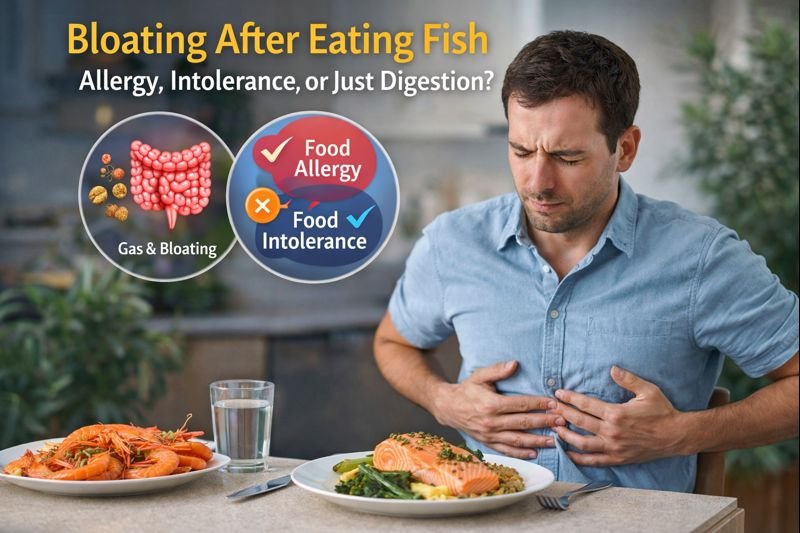
Bloating After Eating Fish or Shellfish: Allergy, Intolerance, or Just Digestion?

Fish and shellfish are nutrient-dense, low in saturated fat, and rich in omega-3 fatty acids — but some Canadians experience uncomfortable bloating or digestive symptoms shortly after eating them. Bloating itself is harmless, but it’s disruptive and can make people avoid otherwise healthy foods. The most common causes include food intolerance, digestive sensitivity, or (less

Bloating After Eating Fish or Shellfish: Allergy, Intolerance, or Just Digestion? Read More »

Shopping Cart
Scroll to Top