

S. Black

Sam Black is an article writer specializing on various health and medical topics, specifically first aid and CPR. As a registered nurse with a few years of experience in the field, he eagerly shares his knowledge on first aid, CPR and other associated topics to others through his writing. Sharing basic and important facts on first aid care can keep others well-informed on what to do during emergencies. Whether at home, school or in the workplace, being familiar even with basic measures can make a difference. By spending several years on focusing on health-related topics, he is a good provider of health-related articles published in various websites.

sunburn

Joint Subluxation: First Aid Awareness, Injury Response, and Workplace Safety in Canada

A subluxation occurs when a joint partially dislocates. Unlike a full dislocation—where the joint surfaces completely separate—a subluxation involves incomplete loss of alignment. This often happens suddenly after an injury and can cause significant pain, swelling, and instability. From a first aid and workplace safety perspective, subluxations are important because they can damage ligaments, muscles, […]

Joint Subluxation: First Aid Awareness, Injury Response, and Workplace Safety in Canada Read More »
Tibial Plafond Fractures: First Aid Awareness, Ankle Injuries, and Workplace Safety in Canada

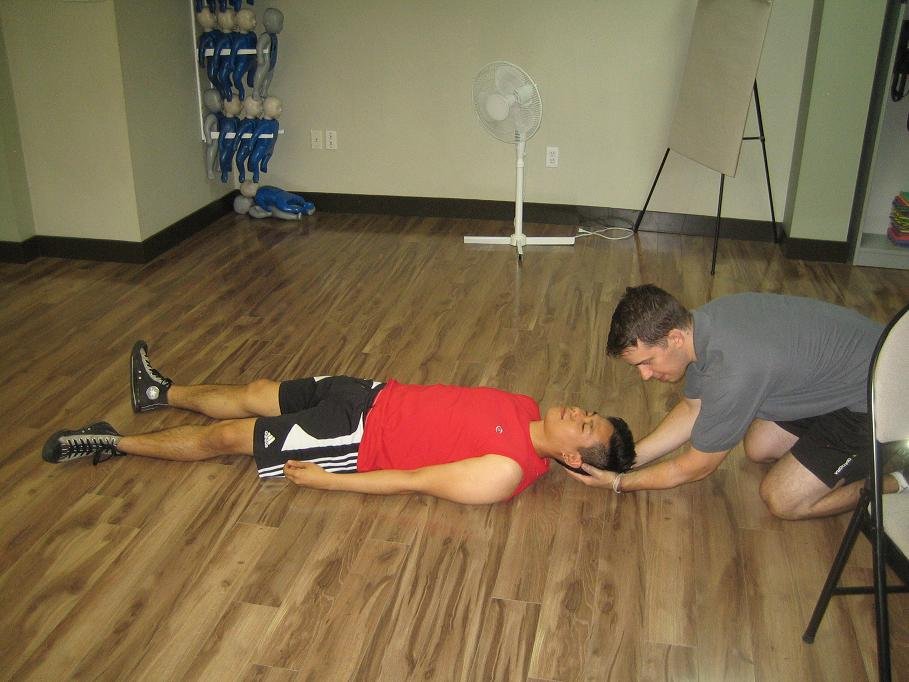
A tibial plafond fracture is a serious injury that occurs at the lower end of the shin bone (tibia) where it meets the ankle joint. Because this fracture involves the weight-bearing cartilage surface of the ankle, it is more complex than many other lower-leg fractures and can have long-term effects on mobility. From a first

Tibial Plafond Fractures: First Aid Awareness, Ankle Injuries, and Workplace Safety in Canada Read More »
Vitamin D Deficiency: Bone Health, Injury Risk, and Safety Awareness in Canada

Vitamin D deficiency can develop when the body does not get enough vitamin D from diet, sunlight, or supplementation. Vitamin D is a fat-soluble vitamin that plays a critical role in helping the body absorb calcium, which is essential for strong bones and muscles. From a first aid and workplace safety perspective, vitamin D deficiency

Vitamin D Deficiency: Bone Health, Injury Risk, and Safety Awareness in Canada Read More »

Iron Deficiency Anemia: Energy, Oxygen, and Safety Awareness in Canada

Iron deficiency occurs when the body does not have enough iron to produce healthy red blood cells. When this leads to reduced oxygen-carrying capacity in the blood, the condition is known as iron deficiency anemia. Without adequate oxygen delivery, the body’s tissues and organs cannot function efficiently. From a first aid and workplace safety perspective,

Iron Deficiency Anemia: Energy, Oxygen, and Safety Awareness in Canada Read More »

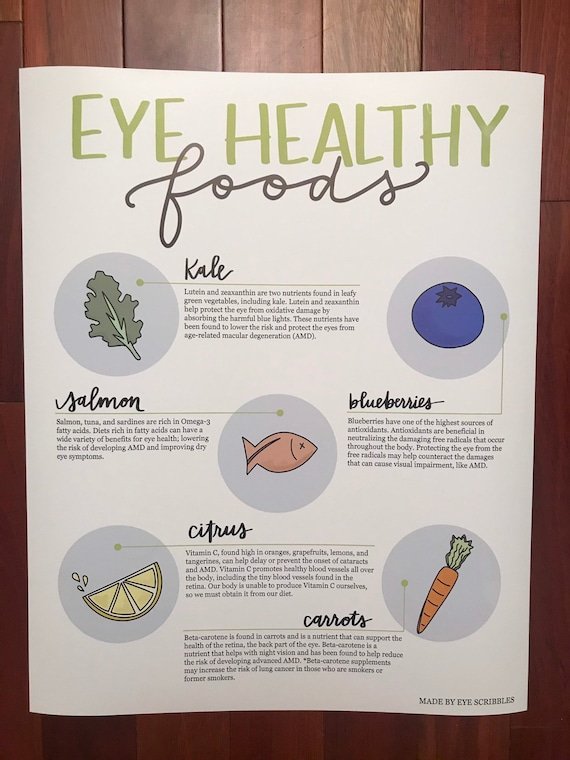
Vitamin A Deficiency: Vision, Immunity, and Safety Awareness in Canada

Vitamin A deficiency can occur when the body does not receive or absorb enough vitamin A. This nutrient is essential for healthy vision, immune function, reproduction, and normal cell growth. Fortunately, vitamin A is readily available in many foods commonly eaten in Canada. From a first aid and workplace safety perspective, vitamin A matters because

Vitamin A Deficiency: Vision, Immunity, and Safety Awareness in Canada Read More »

Fish allergy

Fish Allergy: First Aid Awareness, Anaphylaxis Risk, and Safety in Canada

Fish is widely recognized as a nutritious source of protein, but for some individuals, fish allergy can trigger serious and even life-threatening reactions. Fish allergy can affect both children and adults and is one of the more common food allergies associated with severe allergic reactions. From a first aid, CPR, and workplace safety perspective, fish

Fish Allergy: First Aid Awareness, Anaphylaxis Risk, and Safety in Canada Read More »

Splinters in Children: First Aid Care, Infection Prevention, and Safety in Canada

Splinters are a common minor injury in children, especially because many kids walk barefoot and play in environments where sharp materials are present. Backyards, wooden decks, playground equipment, parks, and gardens are frequent sources. From a first aid and child safety perspective, splinters matter because even small foreign objects under the skin can lead to

Splinters in Children: First Aid Care, Infection Prevention, and Safety in Canada Read More »

Paronychia: Nail Bed Infection, First Aid Care, and Workplace Safety in Canada

Paronychia is an inflammation or infection of the skin around the fingernail or toenail. It most often affects the base of the nail, where the skin can become red, warm, swollen, and painful. In some cases, pus collects under the skin, increasing pressure and discomfort. From a first aid and workplace safety perspective, paronychia is

Paronychia: Nail Bed Infection, First Aid Care, and Workplace Safety in Canada Read More »

Fall allergies

Chigger Bites in Children: First Aid Care, Itch Relief, and Outdoor Safety in Canada

Children who spend a lot of time outdoors during spring and summer are more likely to develop chigger bites. These bites typically appear as small, red, intensely itchy bumps that can be very uncomfortable but are usually not dangerous. From a first aid and safety awareness perspective, chigger bites matter because scratching can break the

Chigger Bites in Children: First Aid Care, Itch Relief, and Outdoor Safety in Canada Read More »

Shopping Cart
Scroll to Top