December 2016

Severe Acute Respiratory Syndrome (SARS)

Severe Acute Respiratory Syndrome (SARS)   Severe Acute Respiratory Syndrome (SARS) is caused by a group of viruses known as coronaviruses. While many coronaviruses cause mild to moderate upper respiratory infections, SARS is a serious and highly contagious respiratory illness that can lead to pneumonia and respiratory failure. The incubation period for SARS is typically

Severe Acute Respiratory Syndrome (SARS) Read More »

Frostbite: Symptoms, First Aid Treatment, and Cold Weather Safety

Frostbite: Symptoms, First Aid Treatment, and Cold Weather Safety   Frostbite occurs when body tissues freeze due to prolonged exposure to freezing temperatures. This condition most commonly affects the fingers, toes, ears, nose, cheeks, and chin. In Canada, frostbite is a serious cold-related injury that can occur during winter work, outdoor recreation, or emergencies involving

Frostbite: Symptoms, First Aid Treatment, and Cold Weather Safety Read More »

Human Bites: Infection Signs, First Aid Treatment, and When to Seek Care

Human Bites: Infection Signs, First Aid Treatment, and When to Seek Care   Human bites can range from minor surface injuries to serious, high-risk wounds that require urgent medical care. These injuries may occur through deliberate biting, accidental contact with teeth, or during physical altercations. Because the human mouth contains a large number of bacteria,

Human Bites: Infection Signs, First Aid Treatment, and When to Seek Care Read More »

Electric Shock: First Aid Treatment, Burn Risks, and When to Seek Medical Care

Electric Shock: First Aid Treatment, Burn Risks, and When to Seek Medical Care   An electric shock occurs when an individual is exposed to an electrical current. The severity can range from mild with no symptoms to life-threatening injuries involving burns, cardiac arrest, or internal organ damage. A mild, low-voltage shock that causes no pain,

Electric Shock: First Aid Treatment, Burn Risks, and When to Seek Medical Care Read More »

Constipation in Children: Signs, Causes, Treatment, and Prevention

Constipation in Children: Signs, Causes, Treatment, and Prevention   Constipation can be difficult to identify in children because normal bowel patterns vary widely. One child may go several days without a bowel movement and not be constipated, while another may have daily bowel movements but still struggle to pass stool. Constipation may go unnoticed when

Constipation in Children: Signs, Causes, Treatment, and Prevention Read More »

Vertigo: Causes, Symptoms, Medications, and When to Seek Help

Vertigo: Causes, Symptoms, Medications, and When to Seek Help   Vertigo: Causes, Symptoms, and Treatment Vertigo is a type of dizziness that may last for seconds, hours, or even days. Individuals experiencing vertigo often describe a false sensation that their surroundings are spinning, even when they are standing or sitting still. This sensation is commonly

Vertigo: Causes, Symptoms, Medications, and When to Seek Help Read More »

Alcohol Intoxication: Signs, Home Care, and When to Seek Help

Alcohol Intoxication: Signs, Home Care, and When to Seek Help   Alcohol Intoxication: Recognition, Home Care, and Medical Concerns An individual is considered to be experiencing alcohol intoxication when the amount of alcohol consumed leads to behavioural, mental, or physical impairment. Alcohol affects judgment, coordination, speech, and reaction time. As consumption increases, the level of

Alcohol Intoxication: Signs, Home Care, and When to Seek Help Read More »

Unconscious but Breathing: First Aid Steps and the Recovery Position

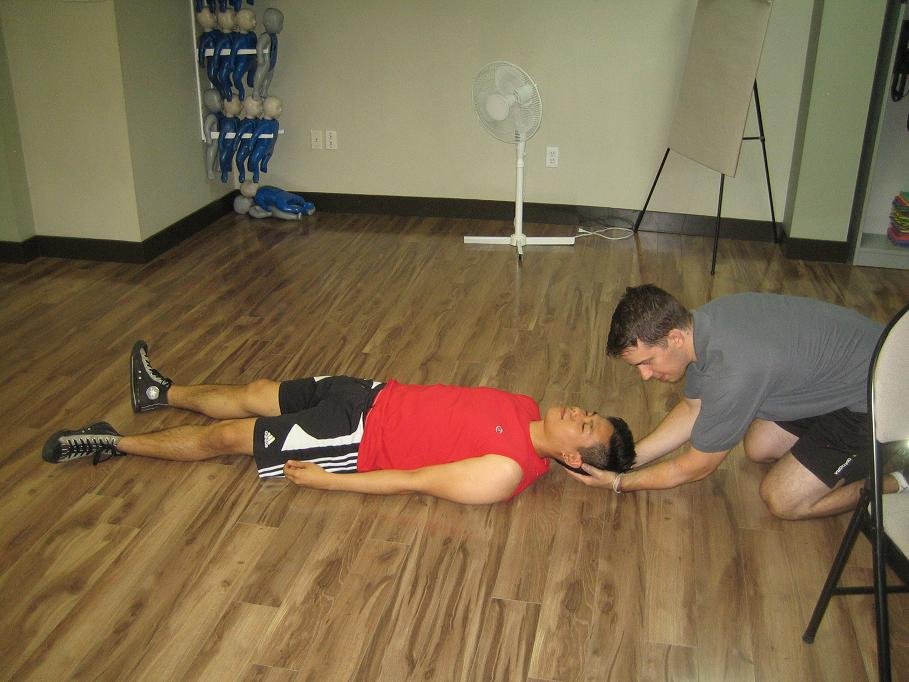
First Aid for an Unconscious but Breathing Individual   If an individual collapses, the first step is to determine whether they are unconscious and breathing. This situation can be life-threatening and requires immediate action. Always seek medical help as soon as possible. If another person is nearby, ask them to call 911 immediately. If you

Unconscious but Breathing: First Aid Steps and the Recovery Position Read More »

Zika Virus: Symptoms, Transmission, and Prevention

Zika Virus: Symptoms, Transmission, and Prevention   The Zika virus is primarily spread through the bite of an infected Aedes aegypti mosquito. These mosquitoes typically bite during the daytime. In most individuals, Zika causes a very mild illness or no symptoms at all, meaning many people may not realize they have been infected. The virus

Zika Virus: Symptoms, Transmission, and Prevention Read More »

Shopping Cart
Scroll to Top

  • All stmarkjamestraining.ca content is reviewed by a medical professional and / sourced to ensure as much factual accuracy as possible.

  • We have strict sourcing guidelines and only link to reputable websites, academic research institutions and medical articles.

  • If you feel that any of our content is inaccurate, out-of-date, or otherwise questionable, please contact us through our contact us page.

The information posted on this page is for educational purposes only.
If you need medical advice or help with a diagnosis contact a medical professional