October 2016

Proper Bandage Application: First Aid Essentials for Wound Care

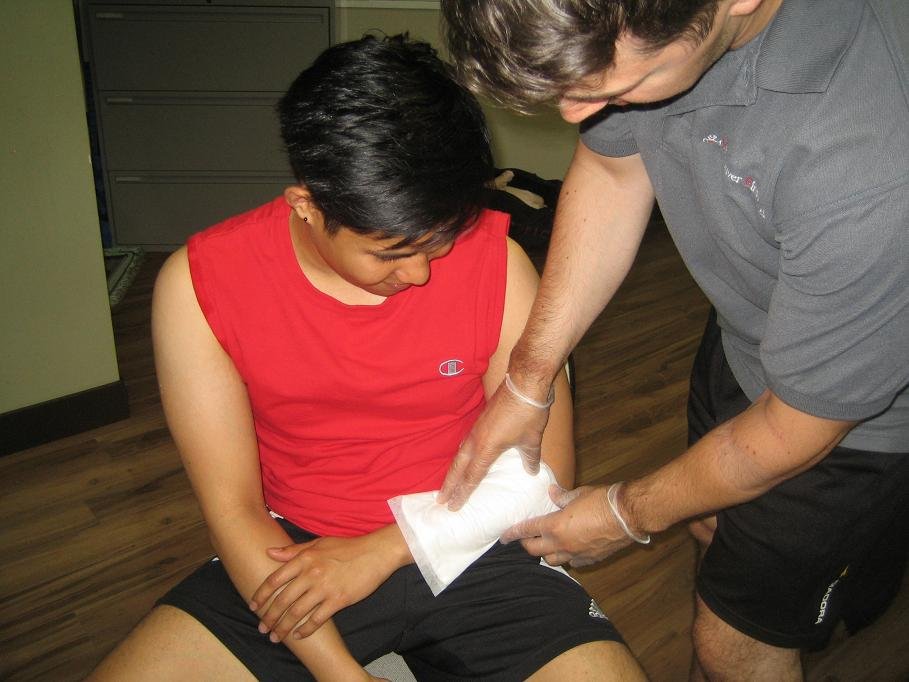
Proper Bandage Application: First Aid Essentials for Wound Care   Proper bandage application is a core first aid skill used to protect wounds, control bleeding, reduce swelling, and support injured joints or limbs. Knowing how to correctly apply a bandage is essential when caring for an injured family member, coworker, or member of the public. […]

Proper Bandage Application: First Aid Essentials for Wound Care Read More »
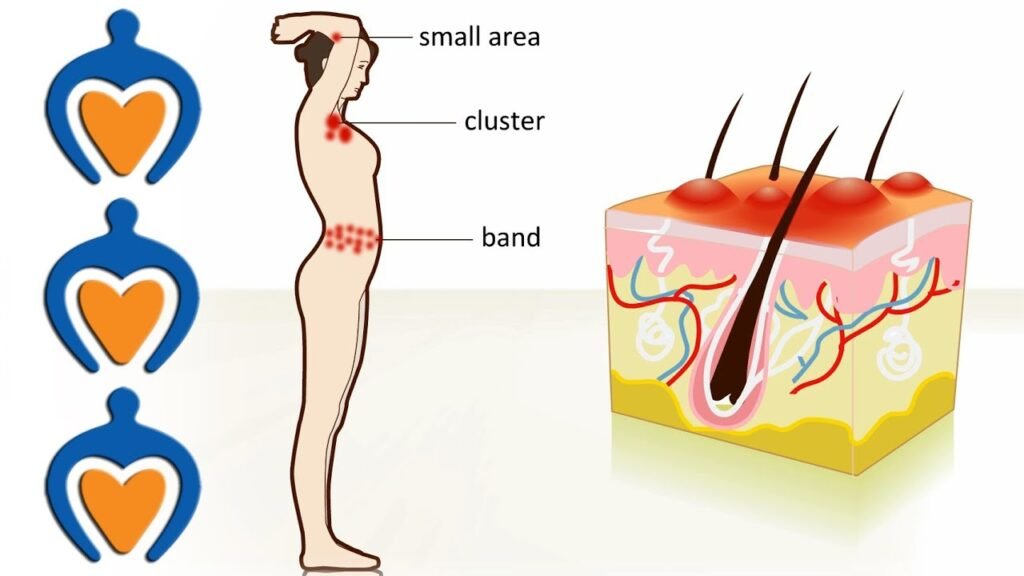
Shingles (Herpes Zoster): What Canadians Need to Know

Shingles (Herpes Zoster): What Canadians Need to Know   Shingles, also known as herpes zoster, is a viral infection caused by the reactivation of the same virus responsible for chickenpox (varicella-zoster virus). After a person recovers from chickenpox, the virus remains inactive in the nervous system and can reactivate later in life, causing shingles. The

Shingles (Herpes Zoster): What Canadians Need to Know Read More »

Partial Thickness Burns: Causes, Symptoms, and First Aid Response

Partial Thickness Burns: Causes, Symptoms, and First Aid Response   A partial thickness burn affects the upper two layers of the skin — the epidermis and part of the dermis. Unlike superficial burns, this type of injury can worsen over time, sometimes progressing into a full thickness burn even after initial first aid has been

Partial Thickness Burns: Causes, Symptoms, and First Aid Response Read More »

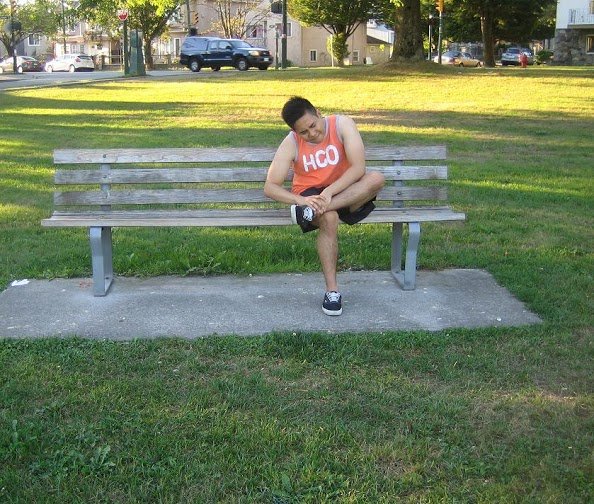
Coccydynia (Tailbone Pain): Causes, Symptoms, and Relief Options

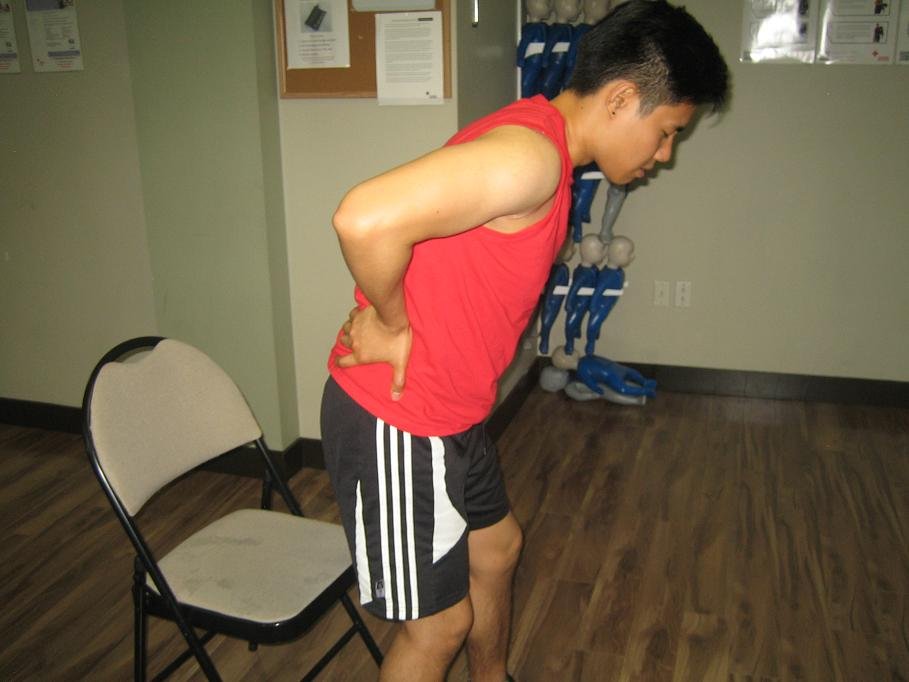
Coccydynia (Tailbone Pain): Causes, Symptoms, and Relief Options   Coccydynia refers to pain or tenderness in the coccyx, commonly known as the tailbone. The coccyx is the final bone at the base of the spine, and pain in this area can occur when the bone itself—or the surrounding ligaments and muscles—become strained or injured. In

Coccydynia (Tailbone Pain): Causes, Symptoms, and Relief Options Read More »

Conjunctivitis (Pink Eye): Causes, Symptoms, and Care

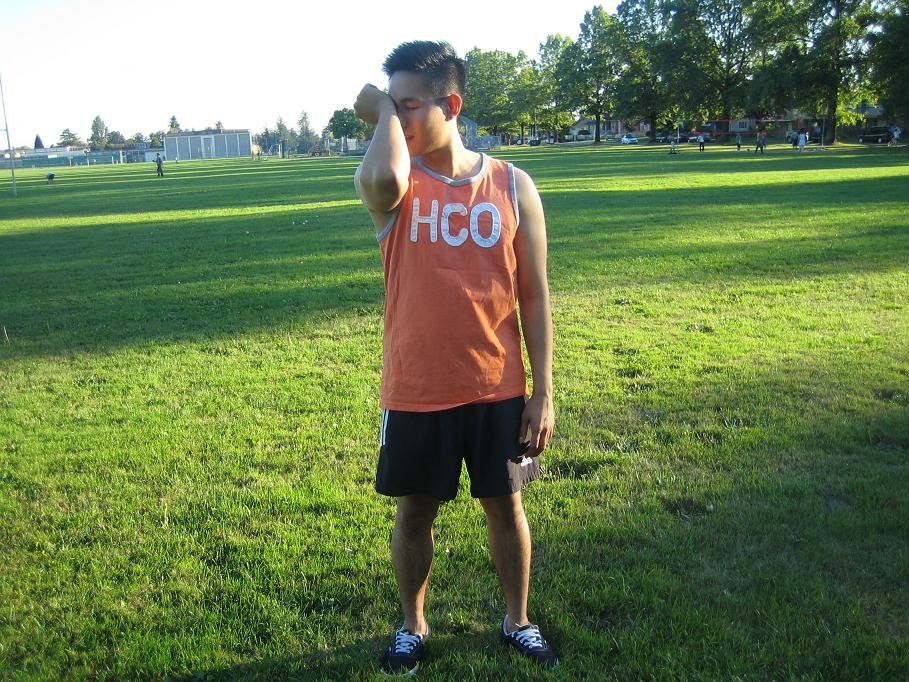
Conjunctivitis (Pink Eye): Causes, Symptoms, and Care   Conjunctivitis, commonly known as pink eye, is a widespread eye condition that causes redness and inflammation of the conjunctiva—the thin, transparent tissue covering the white part of the eye and the inner eyelids. Typical symptoms include: Red or pink appearance of the eye Watery or teary eyes

Conjunctivitis (Pink Eye): Causes, Symptoms, and Care Read More »

Acute Respiratory Distress Syndrome (ARDS): Signs, Causes, and Emergency Care

Acute Respiratory Distress Syndrome (ARDS): Signs, Causes, and Emergency Care   Acute respiratory distress syndrome (ARDS) is a life-threatening lung condition in which the lungs are unable to supply enough oxygen to meet the body’s needs. ARDS can affect individuals of any age and most often develops as a serious complication of another illness or

Acute Respiratory Distress Syndrome (ARDS): Signs, Causes, and Emergency Care Read More »

Ischemic Wounds: Causes, Symptoms, and Wound Care Considerations

Ischemic Wounds: Causes, Symptoms, and Wound Care Considerations   Ischemic wounds develop when there is reduced or blocked blood flow to tissues, a condition known as arterial insufficiency. Because oxygen and essential nutrients cannot adequately reach the affected area, the skin and underlying tissues are unable to heal properly. These wounds most commonly affect the

Ischemic Wounds: Causes, Symptoms, and Wound Care Considerations Read More »

Wound Dehiscence: Causes, Warning Signs, and Emergency Care

Wound Dehiscence: Causes, Warning Signs, and Emergency Care   Wound dehiscence is a serious surgical complication in which a previously closed incision reopens along the suture line instead of healing as intended. Under normal circumstances, sutures or staples hold wound edges together long enough for new tissue to form. When dehiscence occurs, the wound margins

Wound Dehiscence: Causes, Warning Signs, and Emergency Care Read More »

Spondylosis: Age-Related Wear and Tear of the Spine

Spondylosis: Age-Related Wear and Tear of the Spine Spondylosis refers to age-related, wear-and-tear changes affecting the spine. Many Canadians develop some degree of spondylosis as they grow older, and in most cases, it does not cause symptoms. When symptoms do occur, they are typically mild and may include intermittent pain, stiffness, or reduced flexibility. Spondylosis

Spondylosis: Age-Related Wear and Tear of the Spine Read More »

Shopping Cart
Scroll to Top

  • All stmarkjamestraining.ca content is reviewed by a medical professional and / sourced to ensure as much factual accuracy as possible.

  • We have strict sourcing guidelines and only link to reputable websites, academic research institutions and medical articles.

  • If you feel that any of our content is inaccurate, out-of-date, or otherwise questionable, please contact us through our contact us page.

The information posted on this page is for educational purposes only.
If you need medical advice or help with a diagnosis contact a medical professional