September 2016

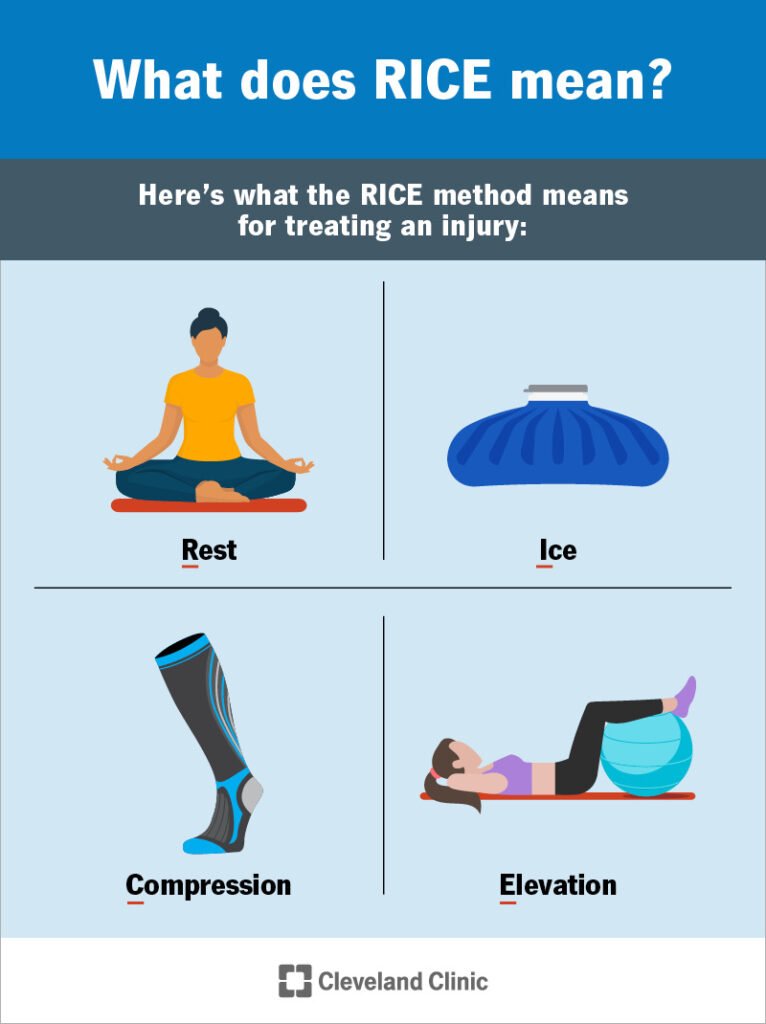
Soft Tissue Injuries: First Aid Care for Sprains, Strains, and Bruises

Soft Tissue Injuries: First Aid Care for Sprains, Strains, and Bruises   Soft tissue injuries—such as sprains, strains, and bruises—can happen to anyone, at any time. In Canada, these injuries commonly occur during sports, workplace activities, recreational hobbies, and everyday accidents like slips and falls. Knowing how to properly care for soft tissue injuries is […]

Soft Tissue Injuries: First Aid Care for Sprains, Strains, and Bruises Read More »
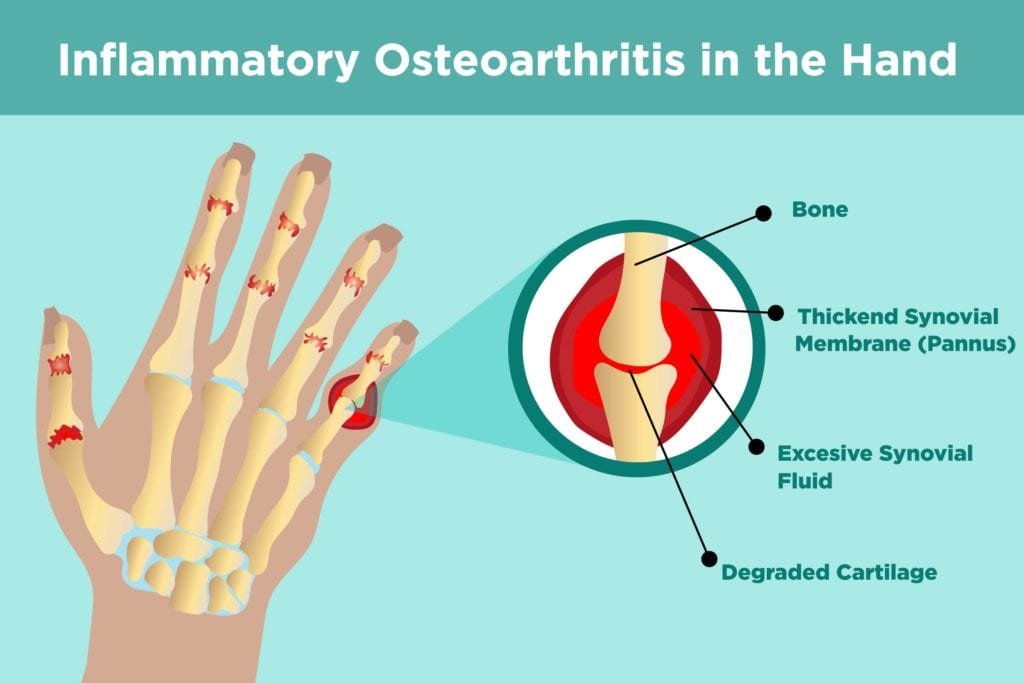
Osteoarthritis: Treatment Options, Pain Relief, and Joint Care in Canada

Osteoarthritis: Treatment Options, Pain Relief, and Joint Care in Canada   Osteoarthritis is one of the most common joint conditions, affecting millions of Canadians. It occurs when the protective cartilage that cushions joints gradually wears down, leading to pain, stiffness, swelling, and reduced mobility. While osteoarthritis cannot be cured, early management, proper joint care, and

Osteoarthritis: Treatment Options, Pain Relief, and Joint Care in Canada Read More »

Mini Stroke (TIA) vs Stroke: What Canadians Need to Know

Mini Stroke (TIA) vs Stroke: What Canadians Need to Know   A mini stroke, medically known as a transient ischemic attack (TIA), cannot be reliably distinguished from an ischemic stroke during the first 24 hours after symptoms begin. This is why every suspected mini stroke must be treated as a medical emergency in Canada. Early

Mini Stroke (TIA) vs Stroke: What Canadians Need to Know Read More »

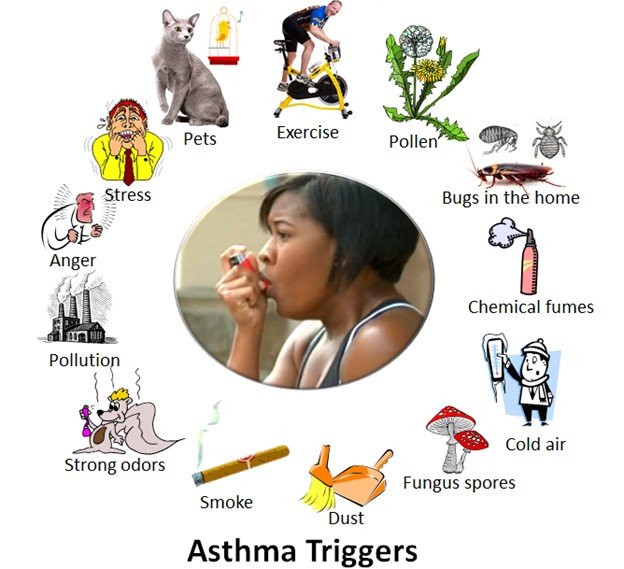
Adult Asthma: Warning Signs That Are Often Missed

Adult Asthma: Warning Signs That Are Often Missed   Adult asthma is often underdiagnosed because its warning signs can be subtle and easily mistaken for aging, stress, or poor fitness. While asthma is commonly associated with childhood, many Canadians develop asthma for the first time in adulthood, sometimes without classic symptoms like wheezing. Symptoms such

Adult Asthma: Warning Signs That Are Often Missed Read More »

Fall Allergies in Canada: Triggers, Symptoms, and How to Control Them

Fall Allergies in Canada: Triggers, Symptoms, and How to Control Them Fall allergies in Canada are most commonly triggered by ragweed pollen and mold spores. Exposure often leads to irritating symptoms such as sneezing, watery or swollen eyes, nasal congestion, and itchiness. Canadian studies and climate data show that warmer fall temperatures and longer frost-free

Fall Allergies in Canada: Triggers, Symptoms, and How to Control Them Read More »

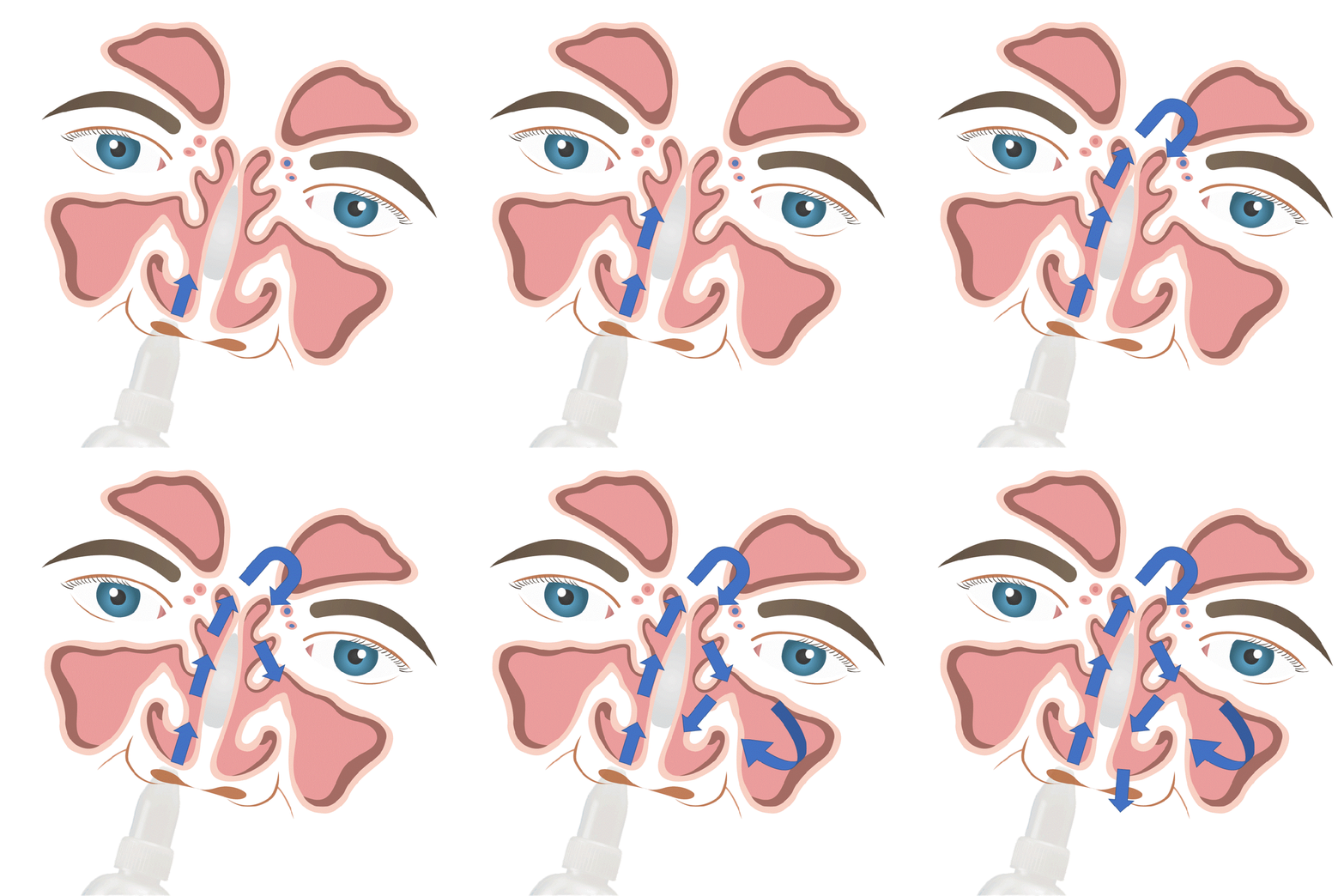
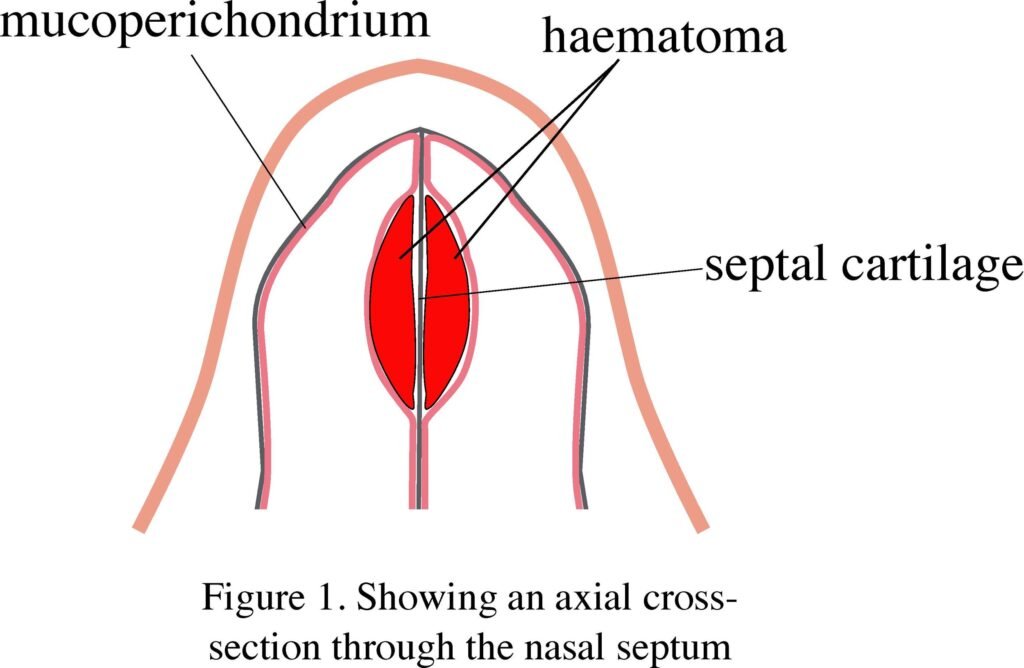
Nose Fractures (Broken Nose): What Canadians Should Know

Nose Fractures (Broken Nose): What Canadians Should Know Nose fractures are the most common facial bone fractures and frequently occur after a blunt impact to the face. When the nasal bones break, the delicate mucous membrane lining the nose may tear, often resulting in a nosebleed. In many cases, the nasal bridge is pushed to

Nose Fractures (Broken Nose): What Canadians Should Know Read More »

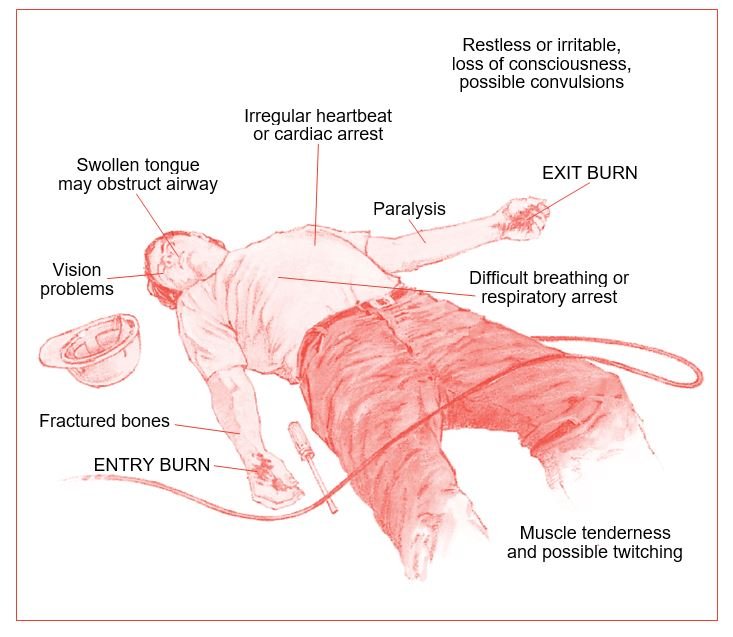
Electrical Injuries: First Aid, Risks, and Emergency Response in Canada

Electrical Injuries: First Aid, Risks, and Emergency Response in Canada An electrical injury occurs when an electrical current passes through the body, disrupting normal organ function and often causing burns to the skin and deeper tissues. In Canada, these injuries most commonly happen in homes, workplaces, construction sites, and during outdoor activities, particularly where electrical

Electrical Injuries: First Aid, Risks, and Emergency Response in Canada Read More »

Knee Dislocations: Recognition, Emergency Care, and Recovery (Canada)

Knee Dislocations: Recognition, Emergency Care, and Recovery (Canada)   A knee dislocation occurs when the end of the femur (thighbone) is no longer aligned with the tibia (shinbone). This is a serious medical emergency that requires immediate assessment in a hospital setting, as it can damage major blood vessels and nerves in the leg. In

Knee Dislocations: Recognition, Emergency Care, and Recovery (Canada) Read More »

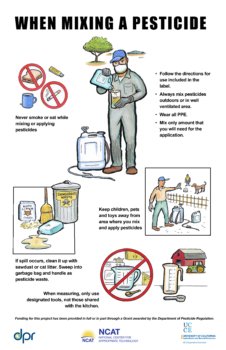
Insecticide Poisoning: First Aid Awareness and Emergency Response in Canada

Insecticide Poisoning: First Aid Awareness and Emergency Response in Canada Serious cases of insecticide poisoning are most often caused by organophosphate and carbamate insecticides. These substances are highly toxic and can be fatal to humans, particularly in cases of intentional exposure or improper handling. In Canada, insecticide exposure is most commonly associated with agricultural work,

Insecticide Poisoning: First Aid Awareness and Emergency Response in Canada Read More »

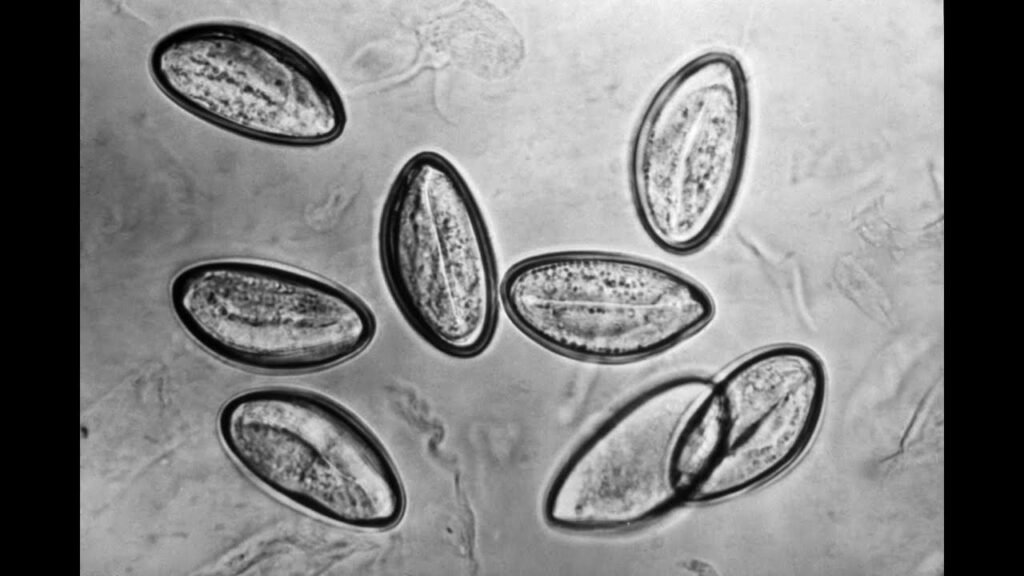
Pinworm Infection in Children: Symptoms, Treatment, and Prevention in Canada

Pinworm Infection in Children: Symptoms, Treatment, and Prevention in Canada Pinworm infection is caused by the intestinal roundworm Enterobius vermicularis. It is most common in children, particularly those in daycares, schools, and shared household environments. Pinworm infection is the most prevalent roundworm infection in children worldwide, including in Canada. While pinworms rarely cause serious illness,

Pinworm Infection in Children: Symptoms, Treatment, and Prevention in Canada Read More »

Shopping Cart
Scroll to Top

  • All stmarkjamestraining.ca content is reviewed by a medical professional and / sourced to ensure as much factual accuracy as possible.

  • We have strict sourcing guidelines and only link to reputable websites, academic research institutions and medical articles.

  • If you feel that any of our content is inaccurate, out-of-date, or otherwise questionable, please contact us through our contact us page.

The information posted on this page is for educational purposes only.
If you need medical advice or help with a diagnosis contact a medical professional