
September 2016

Sunburn in Children: Risks, Symptoms, and First Aid Care

Sunburn in Children: Risks, Symptoms, and First Aid Care   Children are particularly prone to sunburn, especially during outdoor play in Canadian summers. Sunburn occurs when the skin is damaged by ultraviolet (UV) radiation, leading to inflammation and injury of the skin cells. The skin contains melanin, a natural pigment produced by specialized cells called […]

Sunburn in Children: Risks, Symptoms, and First Aid Care Read More »

Child CPR: A Life-Saving Skill Every Caregiver Should Know

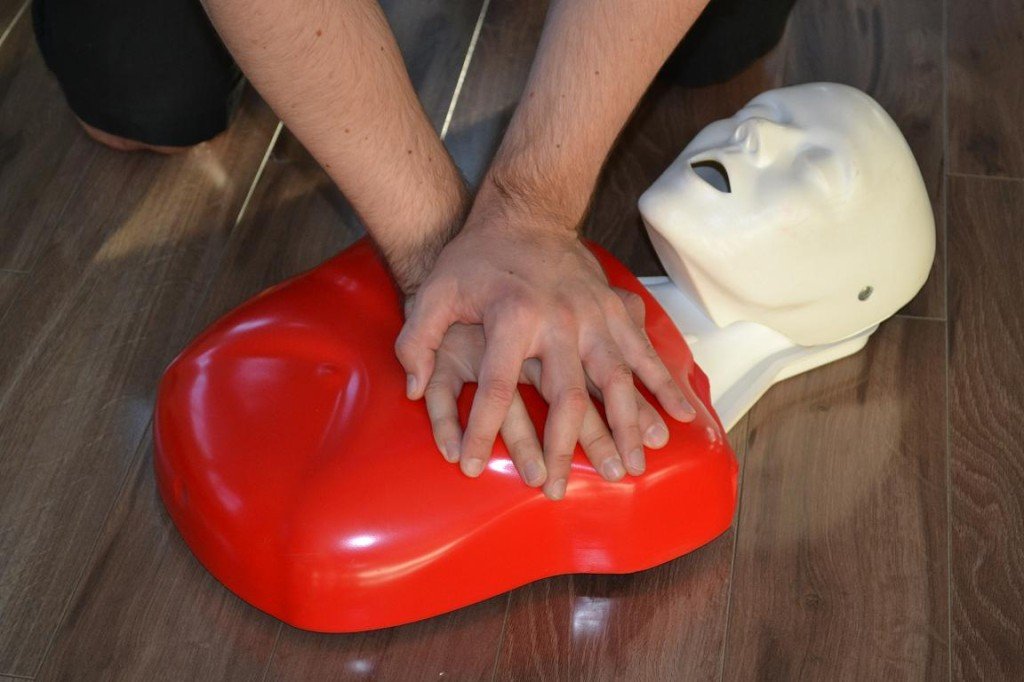
Child CPR: A Life-Saving Skill Every Caregiver Should Know   Being able to perform child CPR is a vital life-saving skill for parents, caregivers, teachers, coaches, and anyone who works with children. Children have anatomical differences compared to adults—more flexible bones, proportionally larger tongues, and narrower airways—which makes them more vulnerable to airway blockages and

Child CPR: A Life-Saving Skill Every Caregiver Should Know Read More »

Hemochromatosis: Understanding Iron Overload and Long-Term Health Risks

Hemochromatosis: Understanding Iron Overload and Long-Term Health Risks   Hemochromatosis is a genetic condition in which the body absorbs too much iron from food. Over time, this excess iron accumulates in vital organs such as the liver, heart, and pancreas, leading to serious and potentially life-threatening damage if left untreated. In Canada, hemochromatosis is commonly

Hemochromatosis: Understanding Iron Overload and Long-Term Health Risks Read More »

Deep Vein Thrombosis (DVT): Blood Clots, Warning Signs, and When to Act

Deep Vein Thrombosis (DVT): Blood Clots, Warning Signs, and When to Act   Deep vein thrombosis (DVT) occurs when a blood clot forms in a deep vein, most commonly in the calf or thigh. Unlike surface clots, these clots are dangerous because they can travel to the lungs, causing a pulmonary embolism, which is a

Deep Vein Thrombosis (DVT): Blood Clots, Warning Signs, and When to Act Read More »

Glue Ear in Children and Adults: Causes, Symptoms, and Treatment Options

Glue Ear in Children and Adults: Causes, Symptoms, and Treatment Options   Glue ear, medically known as otitis media with effusion, develops when fluid becomes trapped in the middle ear and gradually thickens into a glue-like substance. This condition most commonly affects young children, but adults can also develop it. In Canada, glue ear is

Glue Ear in Children and Adults: Causes, Symptoms, and Treatment Options Read More »

Dental Injuries: First Aid Steps for Broken, Loose, or Knocked-Out Teeth

Dental Injuries: First Aid Steps for Broken, Loose, or Knocked-Out Teeth   Dental injuries can happen suddenly and are common in children, teens, and adults, especially during falls, sports, playground incidents, and motor vehicle collisions. Biting down on hard foods or objects can also damage teeth. In Canada, dental injuries are frequently seen in schools,

Dental Injuries: First Aid Steps for Broken, Loose, or Knocked-Out Teeth Read More »

Lumbago (Lower Back Pain): Causes, Warning Signs, and First Aid Care

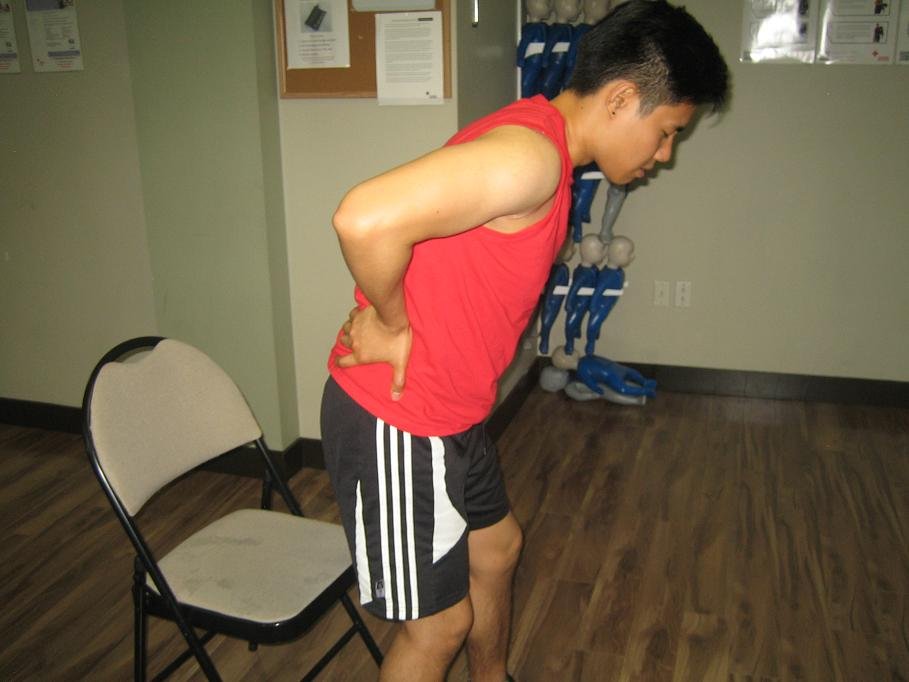
Lumbago (Lower Back Pain): Causes, Warning Signs, and First Aid Care   Lumbago, commonly referred to as lower back pain, ranges from mild discomfort to intense pain. It can be acute or become chronic when it persists for more than three months. Most Canadians will experience lower back pain at some point in their lives.

Lumbago (Lower Back Pain): Causes, Warning Signs, and First Aid Care Read More »

Over-the-Counter Pain Medications: What Canadians Should Know

Over-the-Counter Pain Medications: What Canadians Should Know   There are several pain medications available without a prescription in Canada that are commonly used to manage minor aches and pains. Pain itself is a signal that something is wrong in the body, and while many causes are minor and temporary, others may require medical attention. For

Over-the-Counter Pain Medications: What Canadians Should Know Read More »

Shopping Cart
Scroll to Top

  • All stmarkjamestraining.ca content is reviewed by a medical professional and / sourced to ensure as much factual accuracy as possible.

  • We have strict sourcing guidelines and only link to reputable websites, academic research institutions and medical articles.

  • If you feel that any of our content is inaccurate, out-of-date, or otherwise questionable, please contact us through our contact us page.

The information posted on this page is for educational purposes only.
If you need medical advice or help with a diagnosis contact a medical professional