June 2016

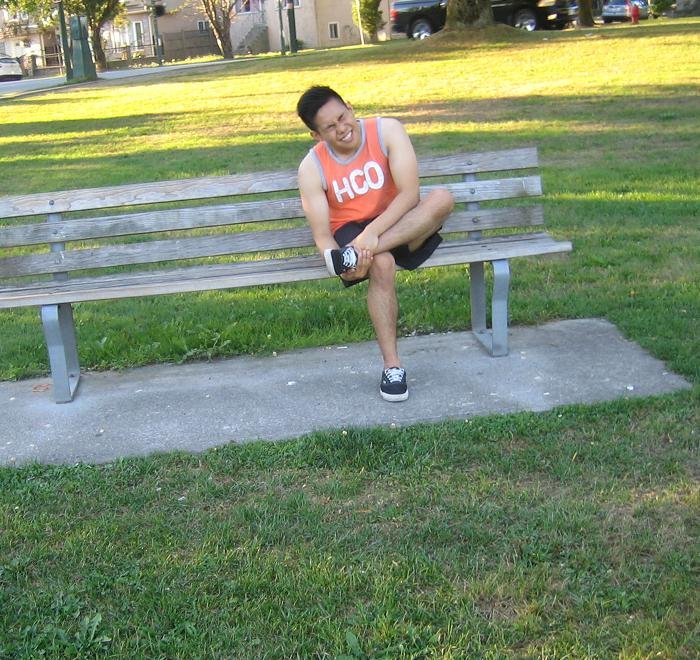
Big Toe Arthritis: First Aid Awareness, Mobility Risks, and Workplace Safety in Canada

Big Toe Arthritis: First Aid Awareness, Mobility Risks, and Workplace Safety in Canada Big toe arthritis—often called arthritis of the first metatarsophalangeal joint—is a progressive condition that can significantly affect walking, balance, and weight-bearing. It develops when the smooth cartilage in the joint wears down and bone spurs form, leading to stiffness, pain, and reduced […]

Big Toe Arthritis: First Aid Awareness, Mobility Risks, and Workplace Safety in Canada Read More »
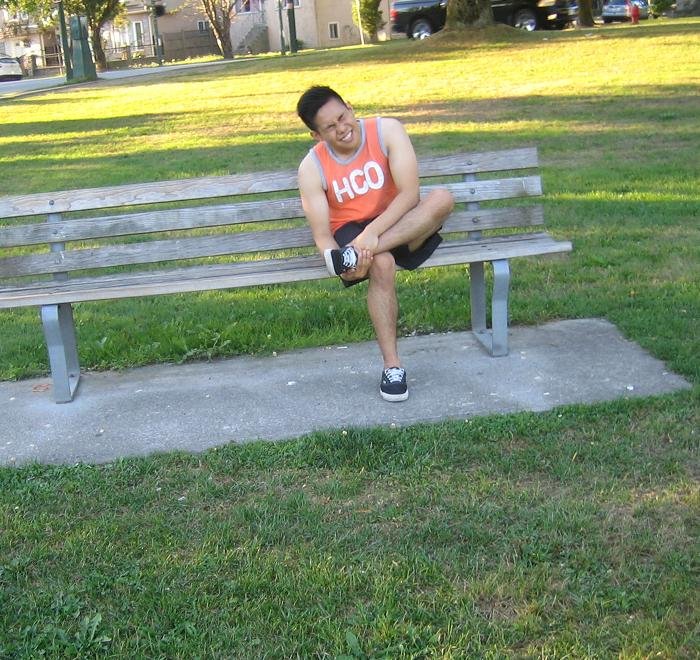
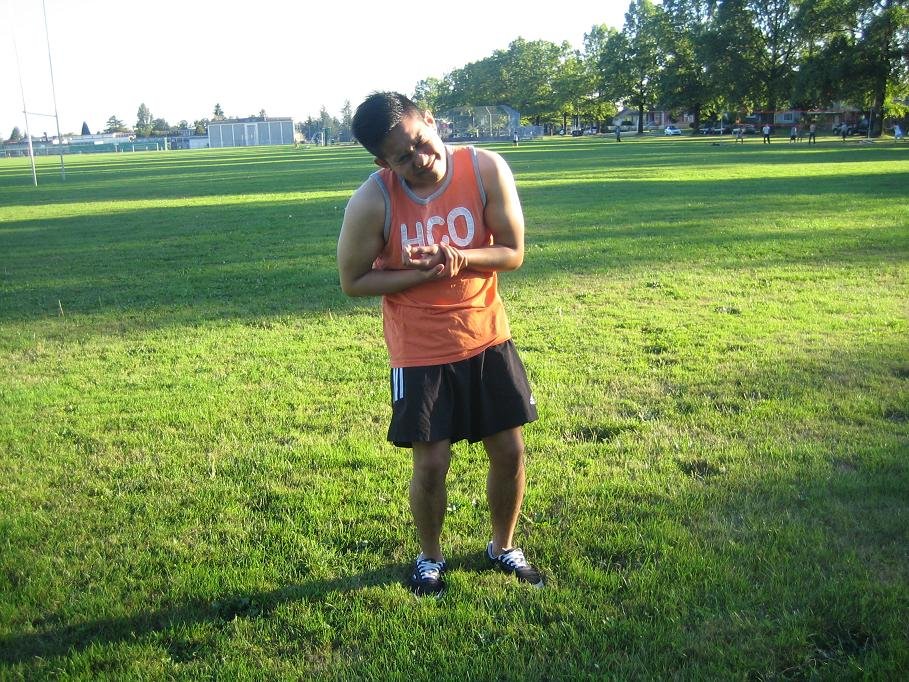
Big Toe Pain: First Aid Awareness, Mobility Risks, and Workplace Safety in Canada

Big Toe Pain: First Aid Awareness, Mobility Risks, and Workplace Safety in Canada Big toe pain can make even simple movements uncomfortable. The first metatarsophalangeal (MTP) joint connects the big toe to the forefoot and plays a major role in balance, walking, and weight transfer. Although small, this joint absorbs significant force with every step.

Big Toe Pain: First Aid Awareness, Mobility Risks, and Workplace Safety in Canada Read More »
Carpal Tunnel Syndrome and Keyboard Use: First Aid and Workplace Safety Awareness in Canada

Carpal Tunnel Syndrome and Keyboard Use: First Aid and Workplace Safety Awareness in Canada   Carpal tunnel syndrome (CTS) is often blamed on keyboard use, especially in office-based jobs. While many people with CTS associate their symptoms with typing, research has not clearly proven that keyboard use causes carpal tunnel syndrome. What is clear is

Carpal Tunnel Syndrome and Keyboard Use: First Aid and Workplace Safety Awareness in Canada Read More »

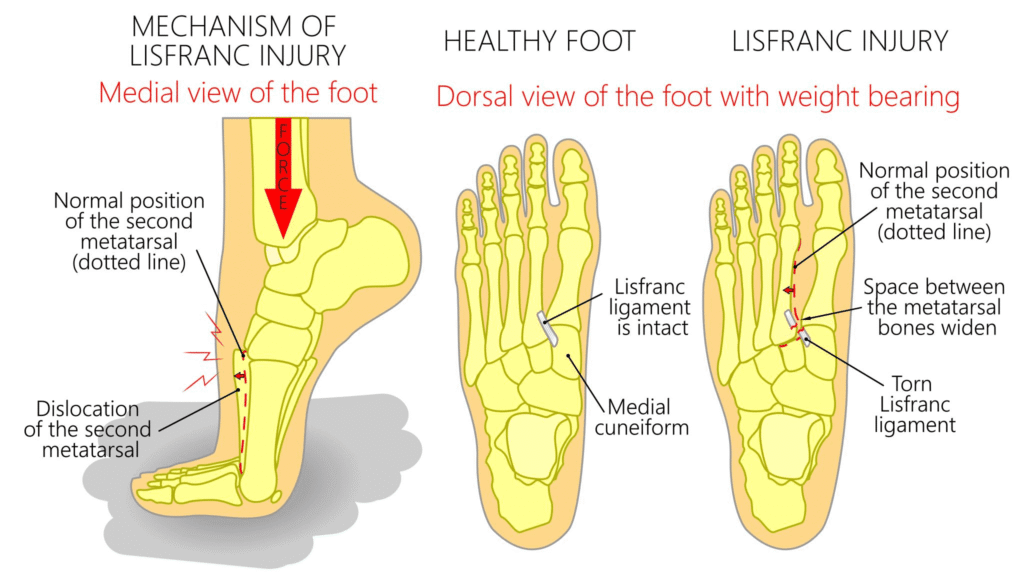
Lisfranc Injury: First Aid Awareness, Mobility Risks, and Workplace Safety in Canada

Lisfranc Injury: First Aid Awareness, Mobility Risks, and Workplace Safety in Canada A Lisfranc injury affects the ligaments and bones that connect the midfoot to the forefoot. These injuries can involve a dislocation, a fracture, or both, and are often more serious than they first appear. Because the midfoot plays a critical role in weight-bearing,

Lisfranc Injury: First Aid Awareness, Mobility Risks, and Workplace Safety in Canada Read More »

Joint Subluxation: First Aid Awareness, Injury Response, and Workplace Safety in Canada

Joint Subluxation: First Aid Awareness, Injury Response, and Workplace Safety in Canada A subluxation occurs when a joint partially dislocates. Unlike a full dislocation—where the joint surfaces completely separate—a subluxation involves incomplete loss of alignment. This often happens suddenly after an injury and can cause significant pain, swelling, and instability. From a first aid and

Joint Subluxation: First Aid Awareness, Injury Response, and Workplace Safety in Canada Read More »
Tibial Plafond Fractures: First Aid Awareness, Ankle Injuries, and Workplace Safety in Canada

Tibial Plafond Fractures: First Aid Awareness, Ankle Injuries, and Workplace Safety in Canada A tibial plafond fracture is a serious injury that occurs at the lower end of the shin bone (tibia) where it meets the ankle joint. Because this fracture involves the weight-bearing cartilage surface of the ankle, it is more complex than many

Tibial Plafond Fractures: First Aid Awareness, Ankle Injuries, and Workplace Safety in Canada Read More »
Vitamin D Deficiency: Bone Health, Injury Risk, and Safety Awareness in Canada

Vitamin D Deficiency: Bone Health, Injury Risk, and Safety Awareness in Canada Vitamin D deficiency can develop when the body does not get enough vitamin D from diet, sunlight, or supplementation. Vitamin D is a fat-soluble vitamin that plays a critical role in helping the body absorb calcium, which is essential for strong bones and

Vitamin D Deficiency: Bone Health, Injury Risk, and Safety Awareness in Canada Read More »

Iron Deficiency Anemia: Energy, Oxygen, and Safety Awareness in Canada

Iron Deficiency Anemia: Energy, Oxygen, and Safety Awareness in Canada Iron deficiency occurs when the body does not have enough iron to produce healthy red blood cells. When this leads to reduced oxygen-carrying capacity in the blood, the condition is known as iron deficiency anemia. Without adequate oxygen delivery, the body’s tissues and organs cannot

Iron Deficiency Anemia: Energy, Oxygen, and Safety Awareness in Canada Read More »

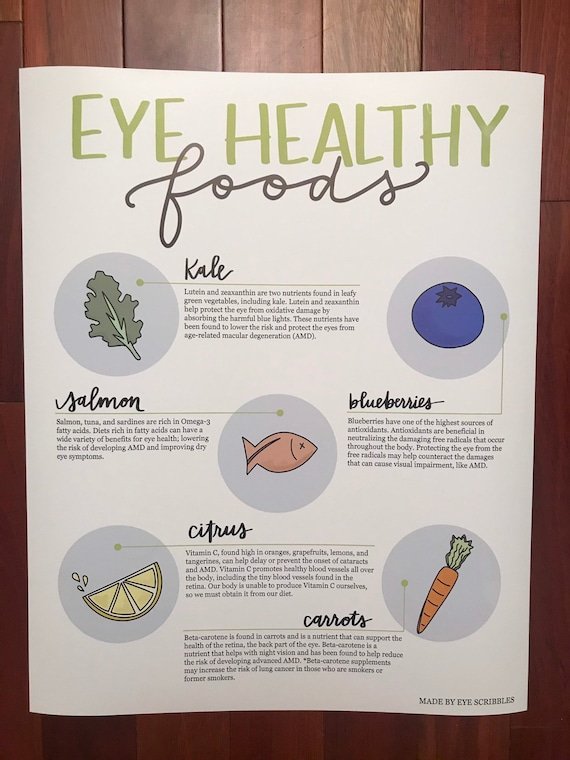
Vitamin A Deficiency: Vision, Immunity, and Safety Awareness in Canada

Vitamin A Deficiency: Vision, Immunity, and Safety Awareness in Canada Vitamin A deficiency can occur when the body does not receive or absorb enough vitamin A. This nutrient is essential for healthy vision, immune function, reproduction, and normal cell growth. Fortunately, vitamin A is readily available in many foods commonly eaten in Canada. From a

Vitamin A Deficiency: Vision, Immunity, and Safety Awareness in Canada Read More »

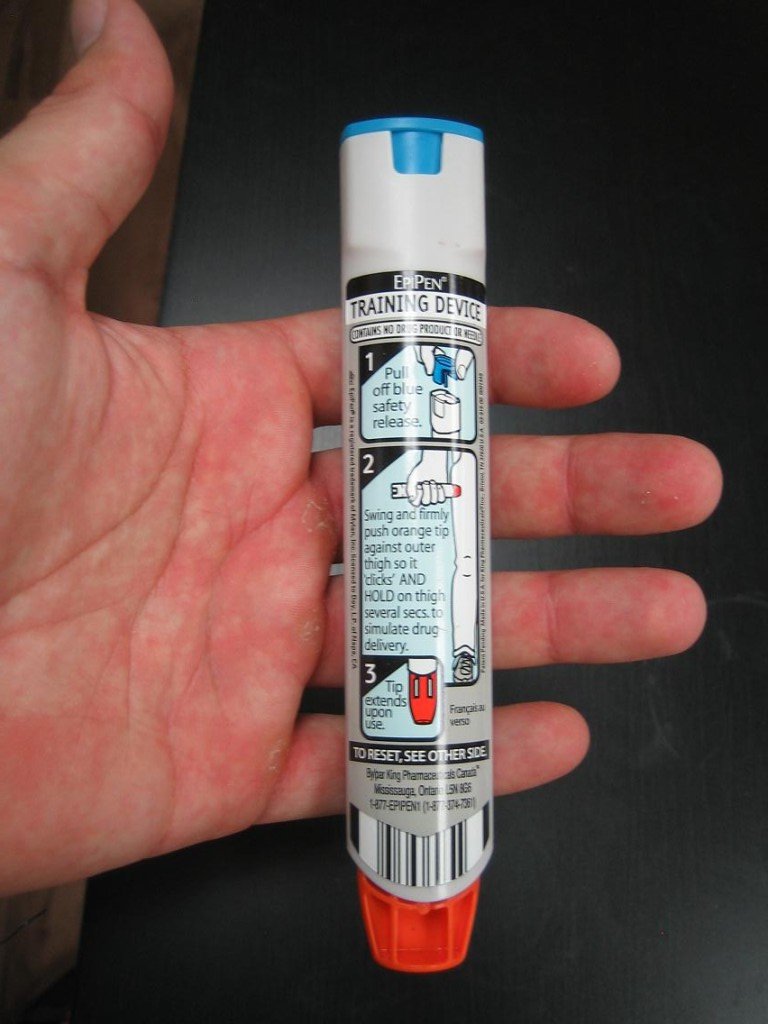
Fish Allergy: First Aid Awareness, Anaphylaxis Risk, and Safety in Canada

Fish Allergy: First Aid Awareness, Anaphylaxis Risk, and Safety in Canada Fish is widely recognized as a nutritious source of protein, but for some individuals, fish allergy can trigger serious and even life-threatening reactions. Fish allergy can affect both children and adults and is one of the more common food allergies associated with severe allergic

Fish Allergy: First Aid Awareness, Anaphylaxis Risk, and Safety in Canada Read More »

Shopping Cart
Scroll to Top

  • All stmarkjamestraining.ca content is reviewed by a medical professional and / sourced to ensure as much factual accuracy as possible.

  • We have strict sourcing guidelines and only link to reputable websites, academic research institutions and medical articles.

  • If you feel that any of our content is inaccurate, out-of-date, or otherwise questionable, please contact us through our contact us page.

The information posted on this page is for educational purposes only.
If you need medical advice or help with a diagnosis contact a medical professional