July 2014

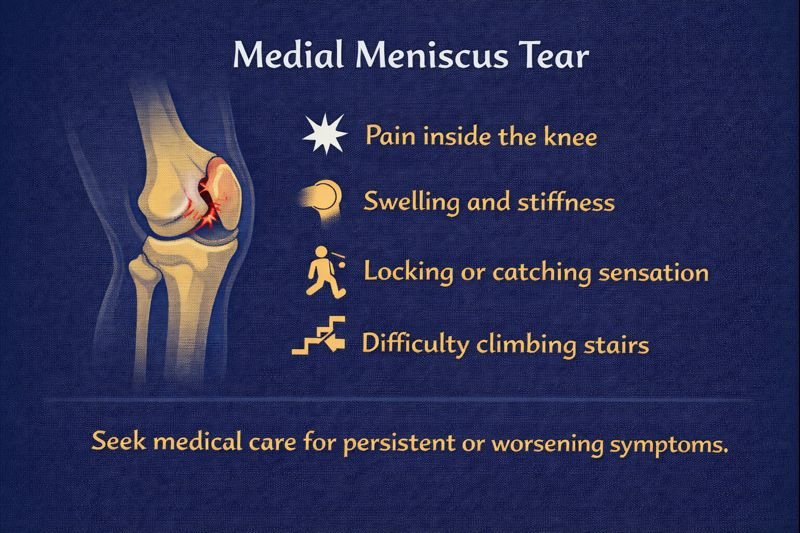
Medial meniscus tear symptoms explained

Medial Meniscus Tears: Symptoms, Awareness & Activity Considerations

Medial Meniscus Tears: Symptoms, Awareness & Activity Considerations The meniscus is a C-shaped piece of cartilage that cushions and stabilizes the knee joint. The knee contains two menisci—one on the inside (medial) and one on the outside (lateral). A medial meniscus tear can affect movement, comfort, and participation in work, recreation, and sports. Relevance in […]

Medial Meniscus Tears: Symptoms, Awareness & Activity Considerations Read More »
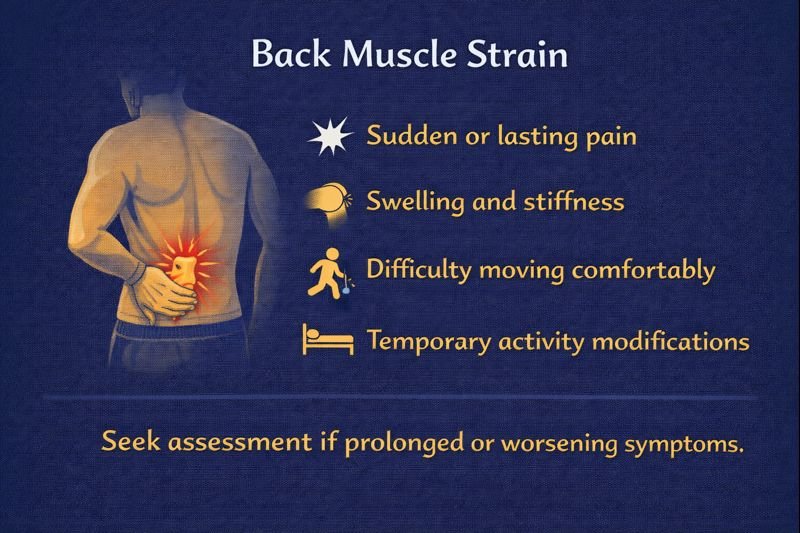
Back muscle strain symptoms explained

Back Muscle Strain: Awareness, Symptoms & Activity Considerations

Back Muscle Strain: Awareness, Symptoms & Activity Considerations A back muscle strain happens when muscles or tendons in the back are overstretched or irritated. Strains commonly affect the lower back and can temporarily interfere with work, school, sports, and daily activities. Most cases are mild to moderate, but some can cause prolonged discomfort or mobility

Back Muscle Strain: Awareness, Symptoms & Activity Considerations Read More »
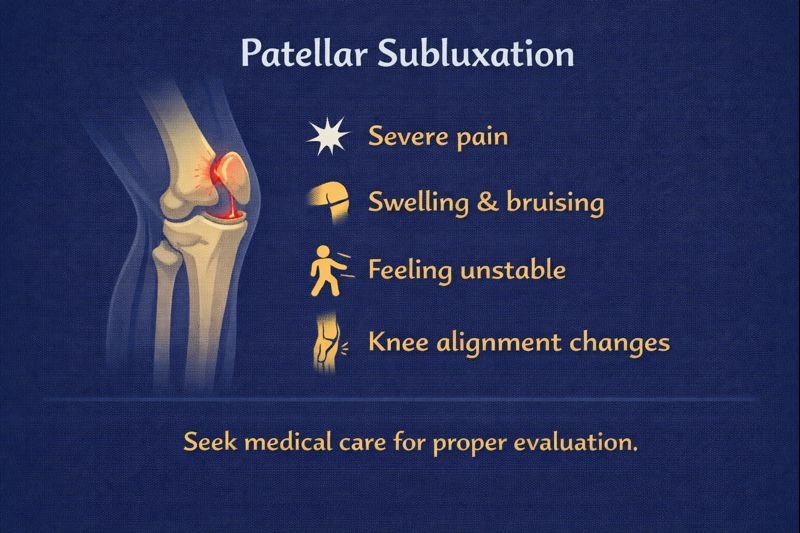
Understanding patellar subluxation symptoms

Patellar Subluxation: Symptoms, Awareness & Activity Considerations

Patellar Subluxation: Symptoms, Awareness & Activity Considerations The patella (kneecap) is a small bone at the front of the knee that helps guide movement between the thigh bone (femur) and the lower leg. In a patellar subluxation, the kneecap slips partly out of its normal position. This often occurs after a twisting motion, fall, or

Patellar Subluxation: Symptoms, Awareness & Activity Considerations Read More »
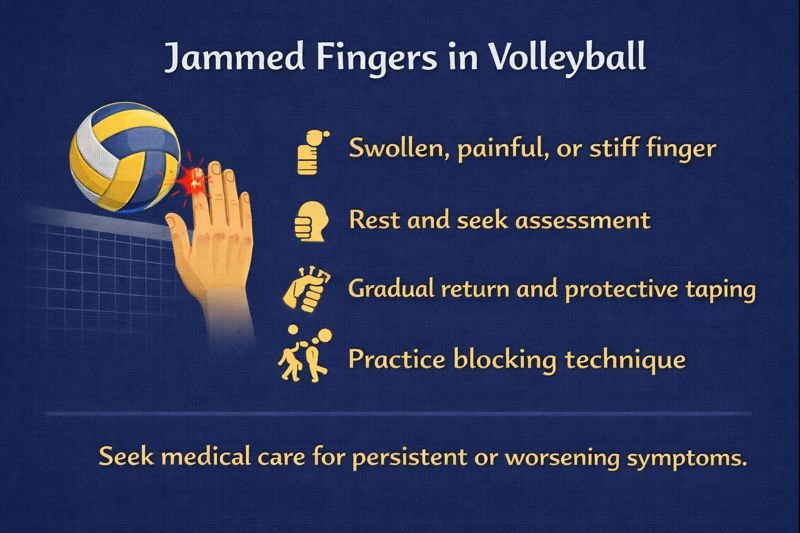
Jammed finger injury in volleyball

How to manage jammed fingers when playing volleyball

Jammed Fingers in Volleyball: Awareness, Symptoms & Prevention Volleyball players frequently use their hands for blocking, setting, and hitting the ball, which makes finger injuries relatively common. One of the mild but disruptive injuries seen in the sport is a jammed finger, often caused by sudden force to the joints or ligaments. Relevance in Sports

How to manage jammed fingers when playing volleyball Read More »

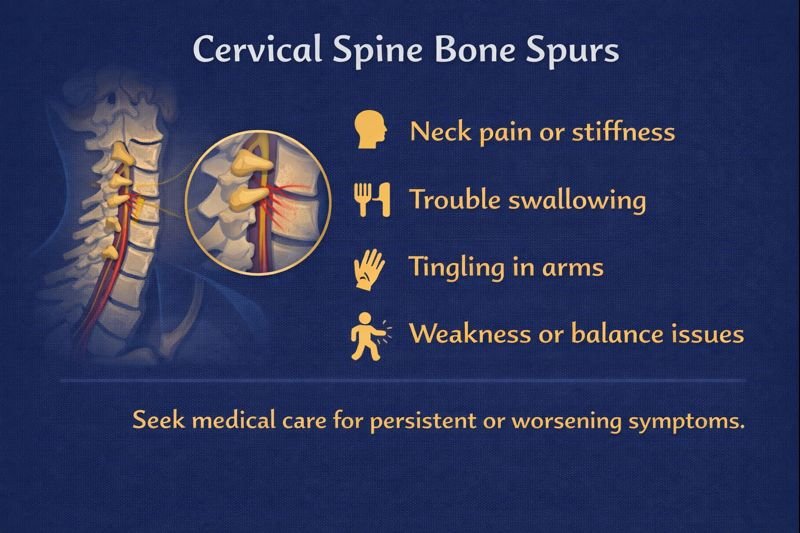
Cervical spine bone spurs symptoms guide

Cervical Spine Bone Spurs: Awareness, Symptoms & When to Seek Assessment

Cervical Spine Bone Spurs: Awareness, Symptoms & When to Seek Assessment As people age, the body undergoes natural changes in the joints and spine. One possible change is the development of bone spurs—small bony projections that form along the edges of bones. Many bone spurs cause no symptoms and may go unnoticed. However, when they

Cervical Spine Bone Spurs: Awareness, Symptoms & When to Seek Assessment Read More »

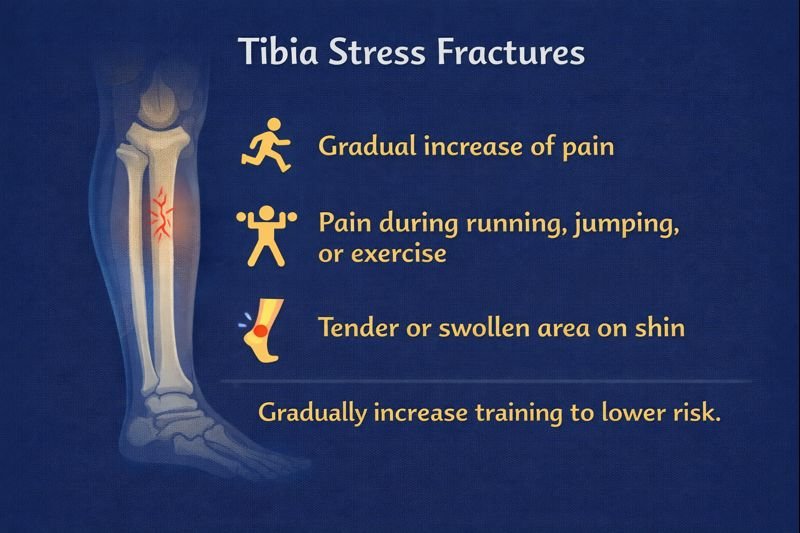
Tibia stress fractures infographic

Tibia Stress Fractures: Awareness, Symptoms & Activity Considerations

Tibia Stress Fractures: Awareness, Symptoms & Activity Considerations The tibia (shin bone) is the largest weight-bearing bone in the lower leg. Repetitive impact—such as running, jumping, or sudden increases in training—can lead to tiny cracks in the bone called stress fractures. These can also occur when weakened bones are exposed to physical stress, such as

Tibia Stress Fractures: Awareness, Symptoms & Activity Considerations Read More »
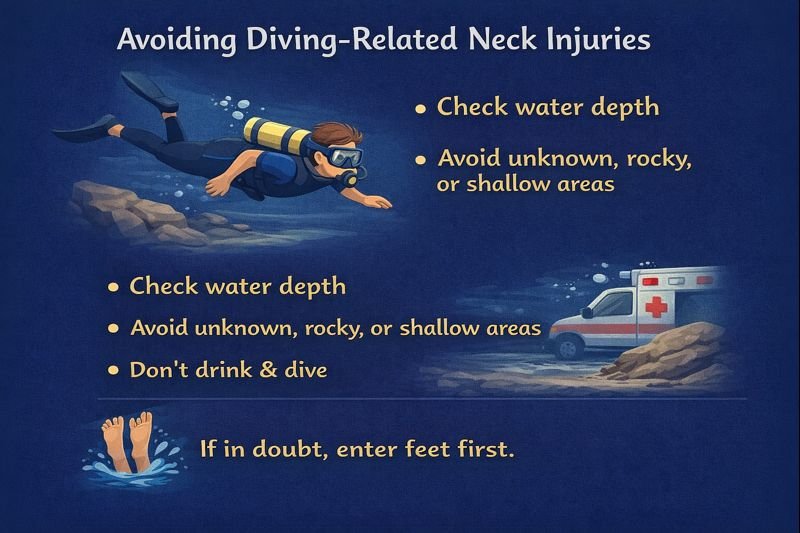
Diving safety tips and precautions

Diving-Related Neck Injuries: Awareness, Risks & Prevention

Diving-Related Neck Injuries: Awareness, Risks & Prevention Swimming, scuba diving, snorkelling, and recreational boating allow people to explore underwater environments. While these activities are enjoyable, diving accidents can result in neck injuries. These injuries may affect bones, joints, nerves, and in serious cases the spinal cord. Awareness of neck injuries helps participants and supervisors make

Diving-Related Neck Injuries: Awareness, Risks & Prevention Read More »

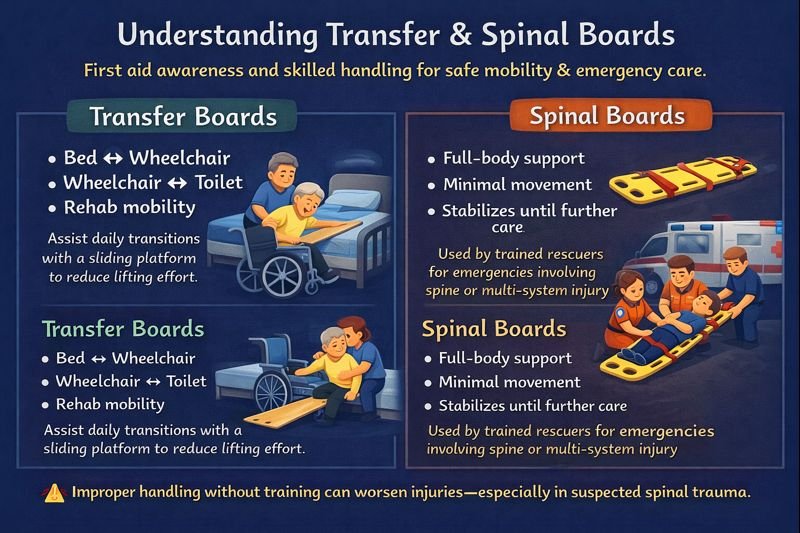
Transfer and spinal boards explained

Transfer Boards & Spinal Boards: First Aid Awareness & Safe Handling Context

Transfer Boards & Spinal Boards: First Aid Awareness & Safe Handling Context Transfer boards and spinal boards are used to move individuals safely when they cannot move independently. These devices help reduce strain on caregivers and minimize the risk of further injury to the individual being moved. Relevance in First Aid & Canadian Settings Transfer

Transfer Boards & Spinal Boards: First Aid Awareness & Safe Handling Context Read More »

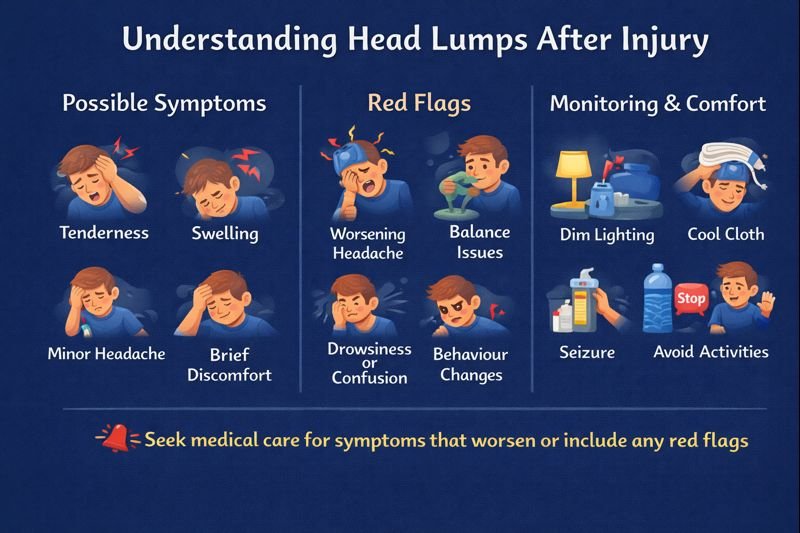
Understanding head lumps after injury

Head Lumps After Injury: Awareness, Monitoring & Red Flags

Head Lumps After Injury: Awareness, Monitoring & Red Flags A lump on the head often develops when the scalp tissue swells after a bump or fall. Most are minor and improve with time, but some head injuries can involve more serious internal effects. Knowing what to watch for helps people make informed decisions about rest,

Head Lumps After Injury: Awareness, Monitoring & Red Flags Read More »

Broken Wrist Awareness: Causes, Symptoms & Recovery Considerations

Broken Wrist Awareness: Causes, Symptoms & Recovery Considerations A broken wrist (wrist fracture) is a common injury, especially among children involved in sports and older adults with osteoporosis or reduced bone density. Wrist fractures typically occur when a person falls and instinctively puts their hands out to stop the impact. Early recognition of fractures and

Broken Wrist Awareness: Causes, Symptoms & Recovery Considerations Read More »

Shopping Cart
Scroll to Top

  • All stmarkjamestraining.ca content is reviewed by a medical professional and / sourced to ensure as much factual accuracy as possible.

  • We have strict sourcing guidelines and only link to reputable websites, academic research institutions and medical articles.

  • If you feel that any of our content is inaccurate, out-of-date, or otherwise questionable, please contact us through our contact us page.

The information posted on this page is for educational purposes only.
If you need medical advice or help with a diagnosis contact a medical professional