A tetanus shot may be recommended when an injury breaks the skin and vaccination status is unclear or not up to date. Tetanus is rare in Canada due to vaccination, but it can occur when bacteria enter the body through a wound.
What Is Tetanus?
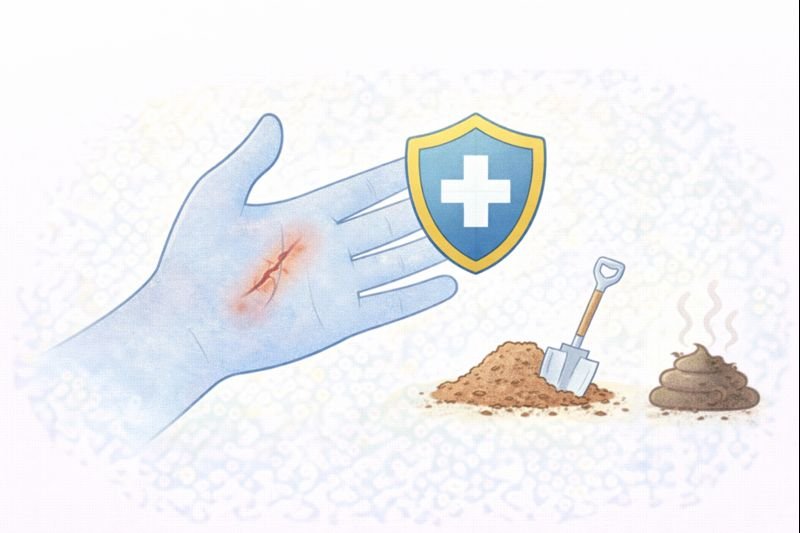
Tetanus is a serious infection caused by the Clostridium tetani bacterium. The bacteria are commonly found in soil, manure, and outdoor environments. When they enter the body through a cut or puncture wound, illness can develop if the person is not protected by vaccination.
With medical treatment, tetanus can be managed, but without treatment it can be life-threatening — which is why vaccination and wound safety are important.
Tetanus Vaccination & Protection
 In Canada, tetanus protection is provided through a series of 5 doses during routine immunization. This schedule provides long-term protection for most people.
A booster may be recommended if:
-
vaccination history is uncertain
-
many years have passed since the last dose
-
a tetanus-prone injury occurs
If a person has already received the complete 5-dose series, additional boosters are not always needed, but a healthcare provider can advise based on the specific injury and time since the last vaccination.
Which Wounds Carry Higher Risk?
Tetanus risk increases with wounds that are:
-
deep or puncture-type
-
contaminated with soil, manure, or dust
-
containing foreign material
-
associated with outdoor injuries or farm environments
-
related to burns or open injuries requiring surgery
-
linked to systemic infection
Even smaller wounds — like a thorn prick — can introduce bacteria if not vaccinated.
When to Seek Medical Assessment
A healthcare provider should assess tetanus-prone injuries and vaccination history. In high-risk situations, tetanus immunoglobulin (TIG) may be recommended to provide immediate passive protection.
Good wound hygiene is still important, and wounds should be evaluated medically when contaminated, deep, or unclear.
First Aid & Workplace Safety in Canada
Tetanus concerns often arise in outdoor work, trades, agriculture, construction, and recreational settings. First aid training through St. Mark James Training helps Canadians recognize when wound care needs medical follow-up and how to support injury safety in workplaces, community programs, and at home. Many organizations pair first aid with CPR/AED training to strengthen overall emergency preparedness.
Educational Disclaimer
This article provides general public education for Canadians and does not replace medical assessment or vaccination guidance. Consult a healthcare provider for concerns about tetanus-prone wounds or immunization status.
About The Author

Mark Kascha
Certified First Aid Instructor Trainer with 30+ years of real-world experience, including lifeguarding, workplace emergency response, and first aid program development across Canada. Has worked with WorkSafeBC, WSIB, and Manitoba Health.
👉 [View full credentials]🔗 View LinkedIn Profile
Last reviewed: March 2026