
Raisins are dried grapes and are enjoyed in baking, snacks, and school lunches. While raisins are not among the most common food allergens, allergic reactions can occur in certain individuals. Sensitivity can be related to grape proteins or, in some cases, to mold exposure, since dried fruit can support mold growth during processing or storage.
Relevance in Schools, Homes, & Workplaces (Canada)
Raisins appear in trail mixes, desserts, packaged snacks, workplace potlucks, and children’s lunches. Food allergy awareness is important in shared environments such as classrooms, offices, cafeterias, and recreational programs. Individuals living with food allergies often manage daily labeling and ingredient considerations.
Scenario: Mild & Realistic
During a family gathering, someone ate a handful of raisin-filled trail mix and later experienced nasal congestion and itching around the mouth. They took note of the food involved and later discussed it with a healthcare provider, who guided further evaluation. After identifying the trigger, they learned to read labels and avoid certain dried fruits.
What Is a Food Allergy? (Awareness)
Food allergies involve an immune system response in which the body reacts to a specific food protein. The immune system produces antibodies that recognize the protein and release chemicals that trigger symptoms. This reaction can vary from mild to more intense.
Possible Raisin-Related Triggers
Reactions to dried fruit may involve:
-
Grape proteins (true food allergy)
-
Mold spores that may develop during drying or storage
-
Sulfites or preservatives in some dried fruit products (sensitivity, not allergy)
Not all reactions to raisins are the same, and not all are allergic; healthcare evaluation can help determine the difference.
Common Symptoms (Awareness Only)
Symptoms may include:
-
Nasal congestion or runny nose
-
Sneezing or watery eyes
-
Skin itching, hives, or rash
-
Stomach discomfort, nausea, or diarrhea
-
Mouth or facial discomfort
Symptoms can occur shortly after eating the food. Patterns vary from person to person.
Severe Allergy Considerations
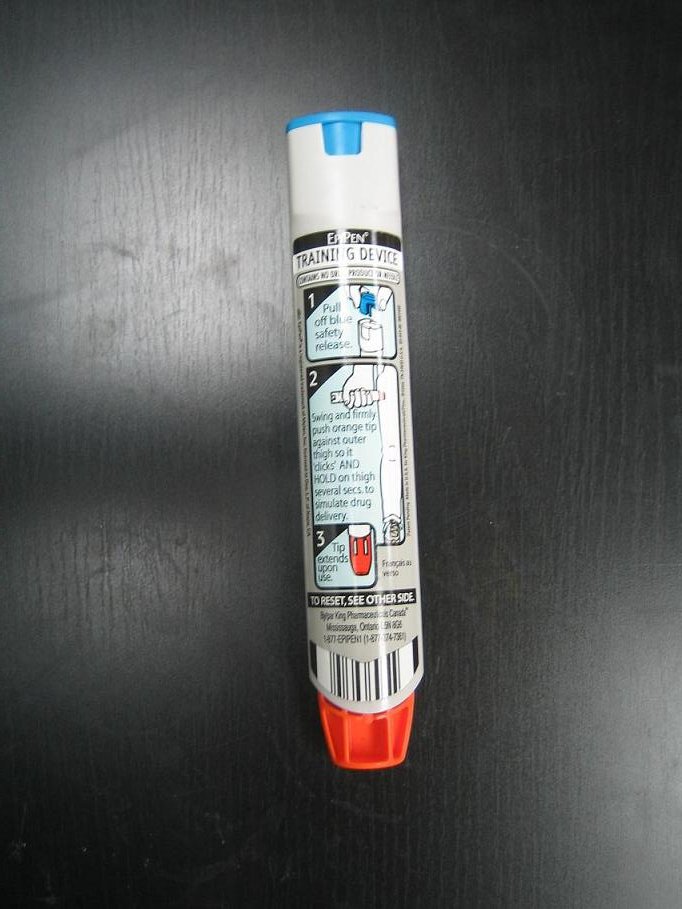
Some food allergies may present with more serious symptoms such as difficulty breathing, wheezing, swelling, or lightheadedness. Severe reactions require immediate medical attention. Individuals with known food allergies may carry emergency medications as prescribed by a healthcare professional.
Mold Sensitivity & Dried Fruit
Mold allergies are commonly discussed alongside pollen or environmental allergies. Mold can grow on certain dried fruits, including raisins. Someone with mold sensitivity might tolerate grapes but experience symptoms with raisins or other dried fruits. Healthcare providers sometimes explore this during allergy evaluation.
Avoidance & Daily Life Awareness
People living with food allergies often use:
-
Ingredient label reading
-
Food substitution strategies
-
Communication in shared food spaces (schools, workplaces, gatherings)
These strategies help reduce accidental exposures.
FAQ
1. Are raisins a common food allergen?
No, they are not among the most common allergens, but any food can trigger an allergic response in some individuals.
2. Can mold be a factor?
Yes. Mold growth on dried fruit may trigger symptoms in individuals with mold sensitivity.
3. Can someone react to raisins but not grapes?
It’s possible. Mold exposure or processing differences may play a role.
4. Can dried fruit reactions affect children?
Yes. Awareness is especially important in school snacks and lunches.
5. Do all reactions require lifelong avoidance?
Management varies. Healthcare assessment helps determine the cause and approach.
Educational Note
This article provides public education about raisin and dried fruit sensitivities, allergy awareness, and symptom recognition. It does not diagnose conditions or recommend medications or treatment. Healthcare professionals determine evaluation and management for allergies.
About The Author

Mark Kascha
Certified First Aid Instructor Trainer with 30+ years of real-world experience, including lifeguarding, workplace emergency response, and first aid program development across Canada. Has worked with WorkSafeBC, WSIB, and Manitoba Health.
👉 [View full credentials]🔗 View LinkedIn Profile
Last reviewed: March 2026