
Clostridium perfringens food poisoning is caused by infection with Clostridium perfringens, a bacterium commonly found in the intestines of humans and animals, as well as in soil and areas contaminated by feces. In Canada, this type of food poisoning is often linked to improperly cooked or stored foods, particularly during large meals, catered events, or holiday gatherings.
This article is intended for public education and food safety awareness. It does not replace medical advice or professional care.
How Clostridium perfringens Food Poisoning Occurs
Food poisoning usually happens when cooked foods are:
-
Not kept hot enough after cooking
-
Left at room temperature for too long
-
Improperly cooled before refrigeration
-
Reheated without reaching safe internal temperatures
Although cooking may kill many bacteria, Clostridium perfringens spores can survive. If food cools slowly, the bacteria can multiply rapidly and produce toxins that cause illness.
Foods most commonly associated with this type of food poisoning include:
-
Cooked meats (beef, poultry, pork)
-
Meat dishes with gravy or sauces
-
Large batches of food prepared ahead of time
Signs and Symptoms
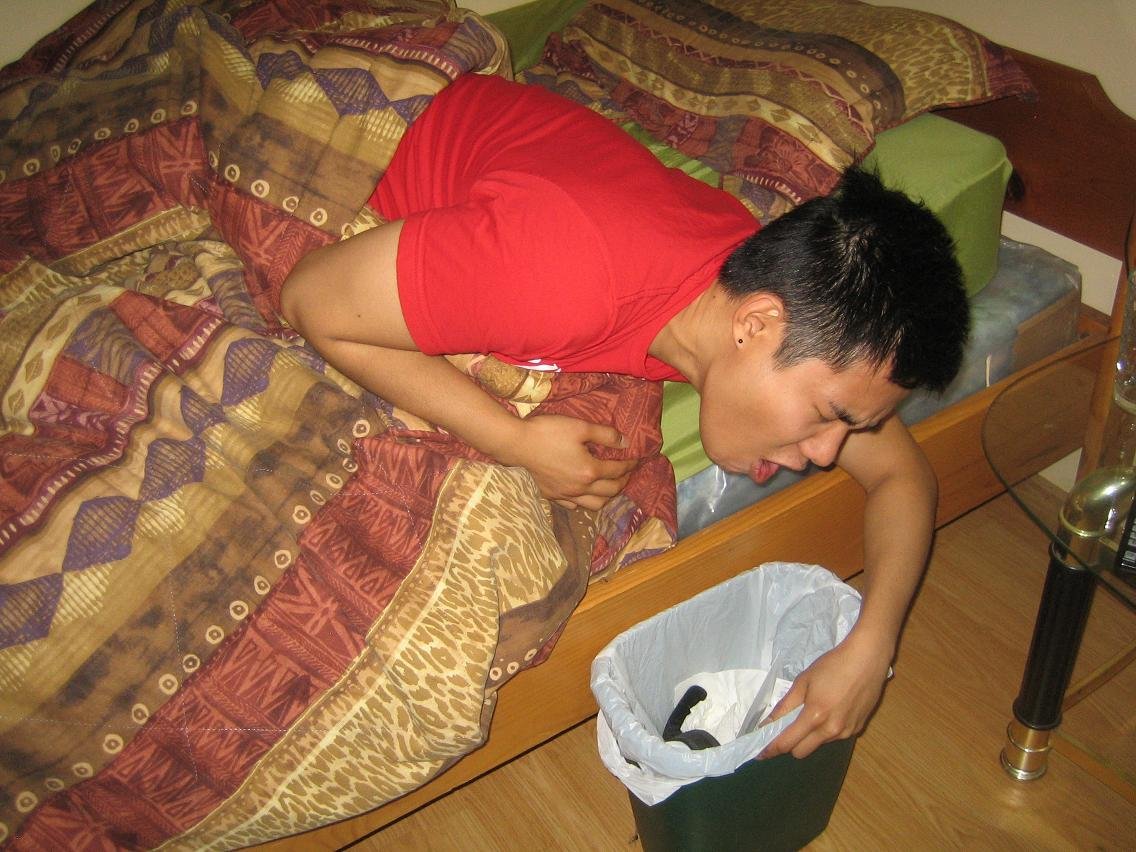
Symptoms usually appear 6 to 24 hours after eating contaminated food.
Common symptoms include:
-
Abdominal cramps
-
Watery diarrhea
-
Mild nausea
Vomiting and fever are less common with this type of food poisoning. Most cases are mild and short-lived, with symptoms typically resolving within 24 hours. In some individuals, milder symptoms may linger for several days.
Possible Complications
The most common complication is dehydration, caused by fluid loss from diarrhea.
Signs of dehydration may include:
-
Dry mouth
-
Reduced urination
-
Fatigue or dizziness
-
Increased thirst
Young children, older adults, and individuals with underlying health conditions are more vulnerable to dehydration and should be monitored closely.
How It Is Diagnosed
A healthcare provider may diagnose Clostridium perfringens food poisoning based on:
-
Medical history and symptom timing
-
Recent food consumption
-
Possible exposure at home, work, or group events
In some cases, stool tests or blood work may be used to confirm the diagnosis, particularly during outbreak investigations.
Treatment and Home Care
Treatment focuses on supportive care until symptoms resolve.
Recommended steps include:
-
Drinking frequent small amounts of fluids
-
Using oral rehydration solutions or electrolyte drinks
-
Replacing fluids after each episode of diarrhea
Antibiotics are not usually needed and should only be taken if specifically recommended by a healthcare professional.
Sports drinks can be used if oral rehydration solutions are unavailable, but sugary beverages such as soda or fruit juice should be avoided, as they can worsen diarrhea.
Nutrition During Recovery
Eating light, balanced meals can support recovery.
Helpful tips include:
-
Choosing easy-to-digest foods
-
Avoiding fatty, spicy, or sugary foods
-
Avoiding alcohol and caffeine for at least two days after symptoms stop
Proper nutrition helps restore energy and supports the body’s healing process.
Preventing Clostridium perfringens Food Poisoning
Food safety practices are key to prevention:
-
Keep hot foods hot and cold foods cold
-
Refrigerate leftovers promptly
-
Reheat foods thoroughly
-
Follow safe food handling guidelines, especially when preparing large meals
Understanding foodborne illness risks helps families and workplaces reduce preventable illness.
Educational Note
This article is provided for general learning and safety awareness only. It is not intended to diagnose or treat illness. Consult a healthcare professional if symptoms are severe, persistent, or concerning.
About The Author

Mark Kascha
Certified First Aid Instructor Trainer with 30+ years of real-world experience, including lifeguarding, workplace emergency response, and first aid program development across Canada. Has worked with WorkSafeBC, WSIB, and Manitoba Health.
👉 [View full credentials]🔗 View LinkedIn Profile
Last reviewed: March 2026