Big toe pain can make even simple movements uncomfortable. The first metatarsophalangeal (MTP) joint connects the big toe to the forefoot and plays a major role in balance, walking, and weight transfer. Although small, this joint absorbs significant force with every step.
From a first aid and workplace safety perspective, big toe pain matters because it can alter gait, reduce stability, and increase the risk of slips, trips, and falls—especially in jobs or activities that require prolonged standing, walking, or physical exertion.
This article is intended for education and injury-prevention awareness. It does not replace medical advice or diagnosis.
Why Big Toe Pain Matters for First Aid and Safety
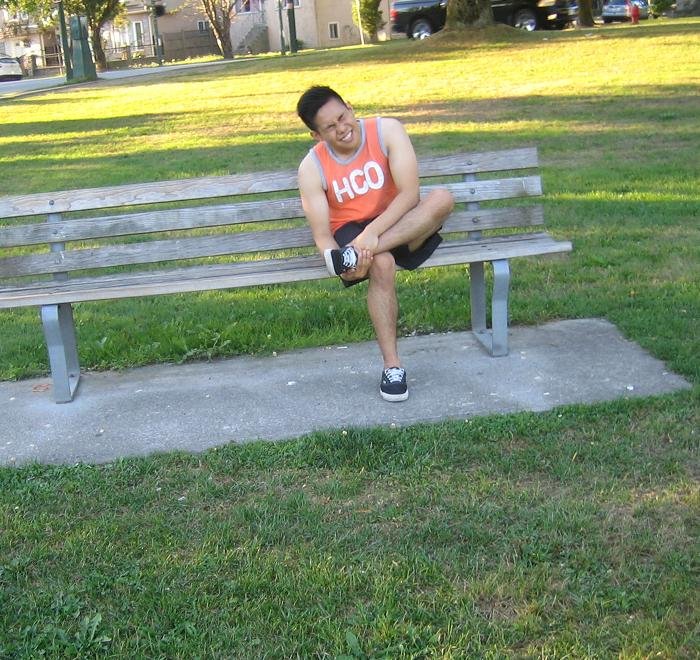
When the big toe joint is painful or stiff, people often:
-
Shift their weight unnaturally while walking
-
Limp or shorten their stride
-
Avoid pushing off properly during steps
These changes can:
-
Increase strain on other joints
-
Reduce balance and reaction time
-
Raise the risk of falls and overuse injuries
Early recognition and proper response help prevent secondary injuries.
Common Conditions That Cause Big Toe Pain
Bunions (Hallux Valgus)
A bunion is a bony bump that forms at the base of the big toe. Over time, the big toe may drift toward the smaller toes, changing foot alignment.
Key features include:
-
A widened forefoot
-
Redness and irritation over the joint
-
Pain from pressure inside footwear
While poor foot mechanics are a common cause, rheumatoid arthritis can also contribute.
Safety impact: Bunions can make safety footwear uncomfortable and increase pressure-related pain during long shifts.
Arthritis
Osteoarthritis is a frequent cause of big toe pain due to wear-and-tear of the joint.
Symptoms include:
-
Joint stiffness or rigidity
-
Pain during walking or standing
-
Reduced range of motion
Previous injuries such as fractures or dislocations can increase the risk of arthritis.
Safety impact: Reduced joint motion affects push-off strength and balance.
Hallux Limitus
Hallux limitus refers to limited movement of the big toe joint.
Why it matters:
-
Normal walking requires the big toe to bend
-
Reduced flexibility causes abnormal pressure distribution
-
Ongoing stress may accelerate arthritis development
Safety impact: Restricted toe motion can affect walking efficiency and stability on uneven surfaces.
Gout
Gout is a metabolic condition caused by the buildup of uric acid crystals in the joint—most commonly the big toe.
Typical signs include:
-
Sudden onset of severe pain
-
Redness, warmth, and swelling
-
Extreme tenderness
Repeated untreated attacks can lead to permanent joint damage.
First aid awareness: Acute gout can be intensely painful and may temporarily prevent safe walking.
Sesamoiditis
The sesamoid bones sit beneath the big toe joint and help with weight-bearing.
Sesamoiditis occurs when these bones become inflamed due to:
-
Repetitive stress
-
Jumping or toe-balancing activities
-
Direct trauma
Fractures of these bones can produce similar symptoms.
Safety impact: Pain under the toe can severely limit push-off strength.
Turf Toe
Turf toe is a sprain of the ligaments at the base of the big toe.
It often occurs during:
-
Sports played on hard surfaces
-
Activities involving sudden acceleration or stopping
-
Use of flexible or worn footwear
First aid relevance: Turf toe can range from mild to severe and may require rest to prevent chronic instability.
First Aid Response and Activity Considerations
For big toe pain:
-
Encourage rest and reduced weight-bearing
-
Avoid activities that worsen pain
-
Use supportive footwear with adequate toe space
-
Monitor for swelling, redness, or worsening pain
Persistent pain should be assessed to prevent long-term mobility issues.
Workplace and Daily Safety Considerations
In Canadian workplaces, big toe pain can affect:
-
Prolonged standing or walking tasks
-
Ladder use or uneven terrain
-
Safe operation of machinery requiring foot control
Early reporting and supportive measures can reduce injury risk and lost work time.
Key Takeaways
-
The big toe is critical for balance and safe movement
-
Pain in this joint should not be ignored
-
Early awareness helps prevent falls and secondary injuries
-
First aid education supports safer mobility at work and home
Educational Disclaimer
This article is provided for general education and first aid awareness only. It does not diagnose or treat foot conditions. Ongoing or severe toe pain should be evaluated by a healthcare professional.
About The Author

Mark Kascha
Certified First Aid Instructor Trainer with 30+ years of real-world experience, including lifeguarding, workplace emergency response, and first aid program development across Canada. Has worked with WorkSafeBC, WSIB, and Manitoba Health.
👉 [View full credentials]🔗 View LinkedIn Profile
Last reviewed: March 2026