A partial thickness burn affects the upper two layers of the skin — the epidermis and part of the dermis. Unlike superficial burns, this type of injury can worsen over time, sometimes progressing into a full thickness burn even after initial first aid has been provided.
Because partial thickness burns carry a high risk of infection, fluid loss, and complications, they should always be taken seriously and assessed by a healthcare professional.
Common Causes of Partial Thickness Burns
Partial thickness burns may result from several sources, including:
-
Direct contact with flames or fire
-
Hot liquids or steam (scalds)
-
Friction (such as road rash)
-
Electrical exposure
-
Chemical burns
-
Radiation or intense light
In Canada, many of these injuries occur at home, in workplaces, or during outdoor and recreational activities.
Types of Partial Thickness Burns
Beyond burn depth, burns are also classified by overall severity (minor, moderate, or major). Severity depends on:
-
Depth of the burn
-
Age of the individual
-
Location on the body (face, hands, joints, genitals)
-
Total body surface area affected
-
Presence of other injuries or medical conditions
Partial thickness burns fall into two categories:
Superficial Partial Thickness Burns
-
Clear blisters (open or closed)
-
Reddened skin that blanches when pressed
-
Moist, painful surface
These burns often heal on their own with proper care.
Deep Partial Thickness Burns
-
Red and white skin that does not blanch
-
Bloody blisters
-
Severe pain
-
High risk of progressing to full thickness burns
Deep burns often require specialist care or surgery.
Who Is Most at Risk?
Partial thickness burns are more common among:
-
Children, due to thinner skin and scald risks
-
Individuals working in high-risk occupations, such as:
-
Trades involving flames, sparks, or heat
-
Chemical handling or laboratory work
-
Electrical or industrial environments
-
First Aid Management for Partial Thickness Burns
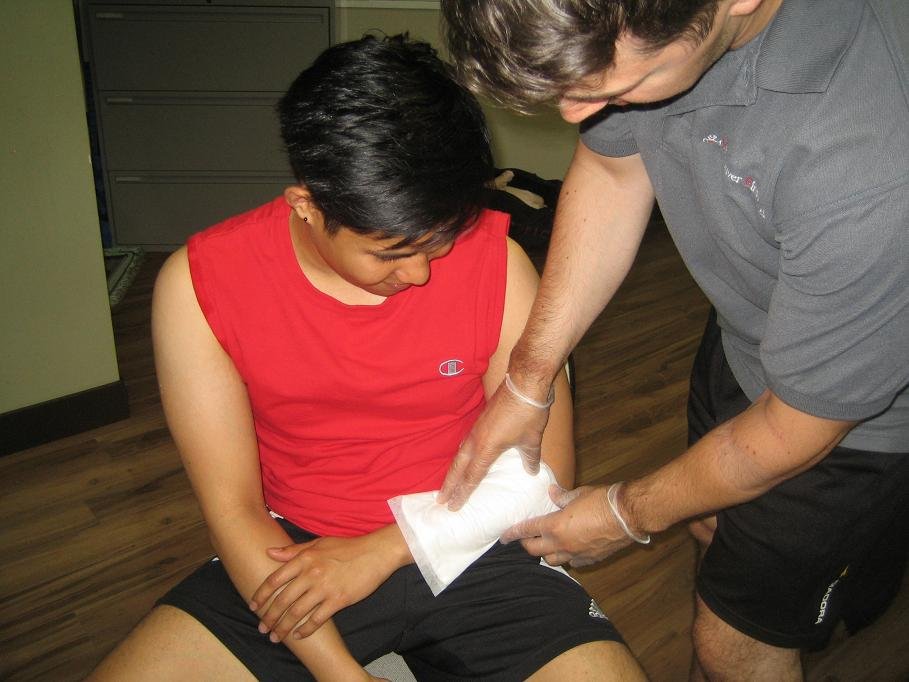
Partial thickness burns should be medically assessed the same day. While waiting for professional care, immediate first aid can help limit damage:
-
Remove the person from the source of the burn safely
-
Carefully remove clothing or jewelry near the burn (if not stuck)
-
Cool the burn under cool running water for 15–20 minutes
-
Gently pat dry with a clean cloth
-
Do not break blisters and do not apply ice
-
Cover the area with a non-adhesive sterile dressing or clean cloth
-
Seek medical assessment as soon as possible
Knowing these steps is a core skill taught in burn and injury response training offered through structured first aid programs.
Educational Notice (Important)
This information is provided for educational awareness only and is not a substitute for medical diagnosis or treatment. Partial thickness burns can deteriorate quickly and should always be evaluated by a qualified healthcare professional. Learning how to respond safely to burn injuries before emergency services arrive is an essential component of first aid education in Canada.
About The Author

Mark Kascha
Certified First Aid Instructor Trainer with 30+ years of real-world experience, including lifeguarding, workplace emergency response, and first aid program development across Canada. Has worked with WorkSafeBC, WSIB, and Manitoba Health.
👉 [View full credentials]🔗 View LinkedIn Profile
Last reviewed: March 2026