 Peripheral edema most commonly affects the legs, ankles, and feet and appears as visible swelling caused by fluid collecting in the tissues. Edema occurs when small blood vessels leak fluid into surrounding connective tissue, such as skin, cartilage, or the spaces between cells.
From a first aid, CPR, and workplace safety perspective, recognizing peripheral edema is important because it can range from a temporary, harmless condition to a sign of a serious medical emergency, depending on the cause.
This article is for educational purposes only and is not a substitute for medical diagnosis or treatment.
What Is Peripheral Edema?
Peripheral edema refers specifically to swelling in areas far from the heart, most often:
-
Ankles
-
Feet
-
Lower legs
Gravity plays a major role, which is why swelling is more noticeable after long periods of standing, sitting, or immobility. Fluid can also accumulate in internal organs such as the lungs or heart, but that type of edema presents very differently and requires urgent medical care.
Understanding where the swelling occurs helps determine why it is happening.
Peripheral Edema Caused by Trauma or Reduced Movement
One important cause of sudden or one-sided leg swelling is deep vein thrombosis (DVT). This occurs when a blood clot forms in a deep vein—usually in the leg—and triggers inflammation and fluid buildup.
From a first aid standpoint, DVT is dangerous because:
-
A clot can break free
-
Travel through the bloodstream
-
Block blood vessels in the lungs (pulmonary embolism)
Peripheral edema can also occur due to:
-
Long airplane flights or road trips
-
Extended standing at work
-
Foot or ankle injuries
-
Reduced mobility after illness or injury
-
Excess body weight increasing pressure on veins
These situations are particularly relevant in Canadian workplaces, long-distance travel, and physically demanding occupations.
Venous Insufficiency and Chronic Swelling
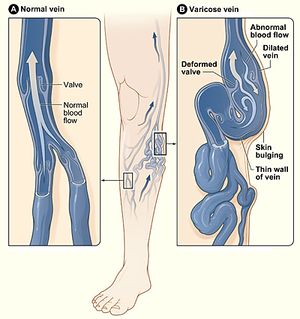
Venous insufficiency occurs when the valves in the leg veins weaken or become damaged. These valves normally keep blood flowing upward toward the heart. When they fail:
-
Blood pools in the legs
-
Veins remain dilated
-
Fluid leaks into surrounding tissue
This leads to chronic peripheral edema, often affecting both legs and worsening by the end of the day.
Common features include:
-
Swelling around ankles and calves
-
Heaviness or aching in the legs
-
Visible varicose veins
This condition is common in people who stand for long hours, including many service, healthcare, and industrial workers.
Kidney and Liver Conditions
The kidneys and liver play a major role in regulating fluid balance in the body. When they are not functioning properly, fluid can accumulate in peripheral tissues.
Peripheral edema may be seen in conditions such as:
-
Kidney disorders that impair fluid elimination
-
Liver disease affecting blood protein levels
-
Severe systemic illnesses
In these cases, swelling is often persistent and may be accompanied by other symptoms such as fatigue, abdominal swelling, or changes in urination.
First Aid Awareness: When Edema Is a Warning Sign
Peripheral edema should not be ignored if it presents with any of the following:
-
One-sided leg swelling, redness, warmth, or pain
-
Sudden swelling after trauma
-
Swelling with chest pain or shortness of breath
-
Rapidly worsening edema
-
Fever or signs of infection
These situations require immediate medical assessment and are emphasized in first aid and emergency response training.
Self-Care for Mild Peripheral Edema
For mild, non-painful swelling related to gravity or activity:
-
Elevate legs above heart level for 30 minutes
-
Move regularly during long trips
-
Avoid prolonged standing without breaks
-
Wear supportive footwear
-
Stay hydrated and moderate salt intake
If swelling does not improve or keeps returning, medical evaluation is recommended.
Educational Disclaimer
This content is provided for general public education and first aid awareness only. It is not a medical diagnosis. Persistent, painful, or one-sided swelling should always be assessed by a healthcare professional.
About The Author

Mark Kascha
Certified First Aid Instructor Trainer with 30+ years of real-world experience, including lifeguarding, workplace emergency response, and first aid program development across Canada. Has worked with WorkSafeBC, WSIB, and Manitoba Health.
👉 [View full credentials]🔗 View LinkedIn Profile
Last reviewed: March 2026