
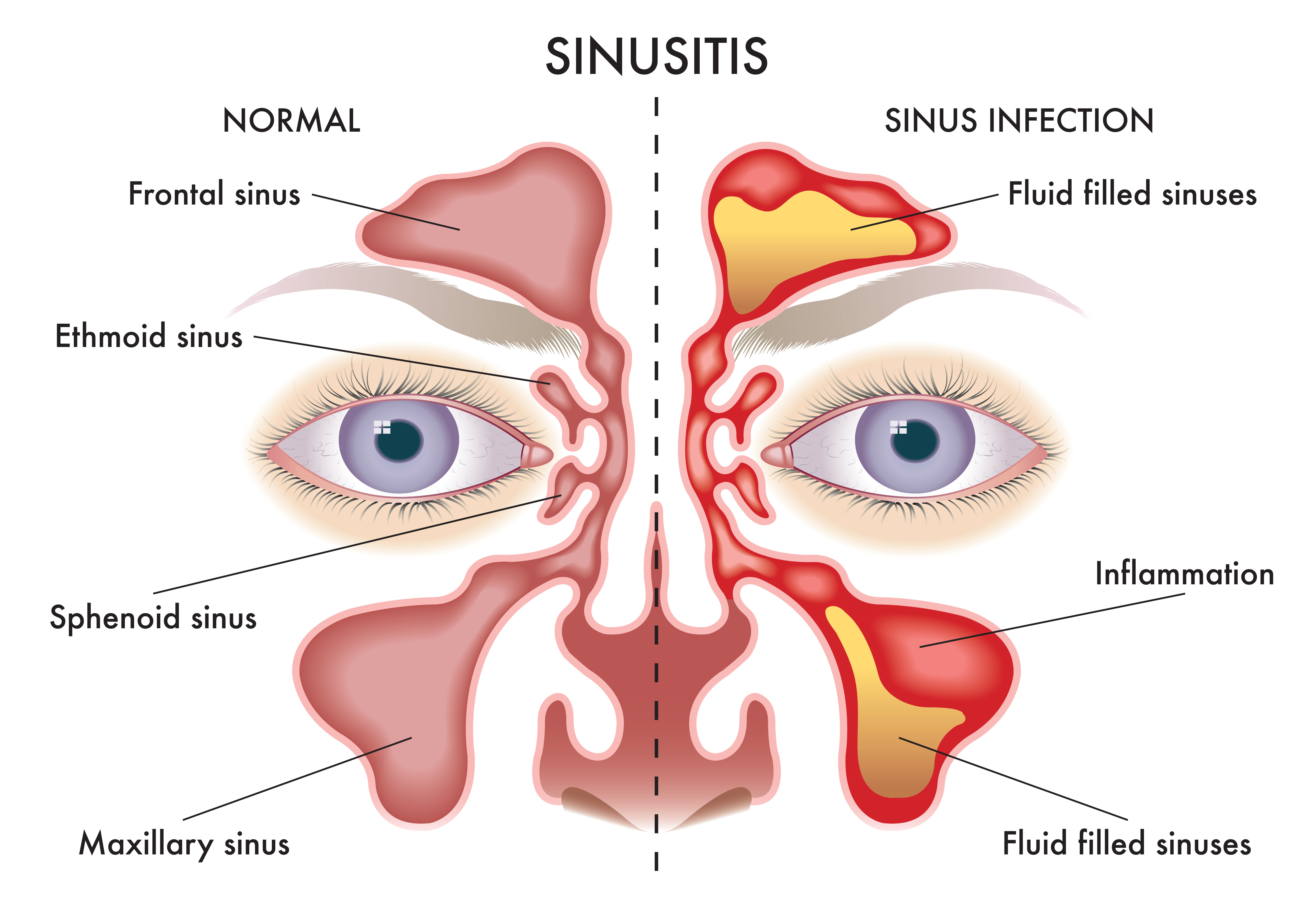
Rhinitis refers to inflammation of the lining of the nasal cavity and can be classified as allergic or non-allergic. It is a common condition in Canada and affects individuals of all ages, particularly during seasonal changes or prolonged exposure to indoor irritants.
Allergic rhinitis occurs when an allergen is inhaled and may be seasonal, perennial, or both. Non-allergic rhinitis causes similar symptoms but is not triggered by allergens and does not involve the immune system.
Causes of Rhinitis
Allergic Rhinitis
Allergic rhinitis develops when the immune system mistakenly identifies a harmless substance as a threat. In response, the body releases histamine, which leads to inflammation and the typical allergy symptoms.
Common allergens include:
-
Pollen (trees, grasses, weeds)
-
Mold
-
Pet dander
-
Dust mites
Non-Allergic Rhinitis
Non-allergic rhinitis does not involve the immune system and can be more difficult to diagnose. Symptoms may be short-lived or persistent and are often triggered by:
-
Strong odors or perfumes
-
Smoke or air pollution
-
Weather or temperature changes
-
Hormonal fluctuations
-
Infections
-
Stress
-
Certain foods
-
Structural abnormalities in the nasal cavity (narrow passages, growths, or tumors)
Who Is at Risk?
Individuals with a family history of allergies are more likely to develop rhinitis. Those with existing allergies, asthma, or frequent exposure to irritants such as secondhand smoke are also at higher risk.
Symptoms of Rhinitis

Symptoms can range from mild to severe and usually affect the nose, eyes, and throat, including:
-
Nasal congestion
-
Runny nose
-
Sneezing
-
Itchy nose
-
Itchy or watery eyes
-
Sore or scratchy throat
-
Postnasal drip
-
Cough
-
Facial pain or headache
-
Fatigue
-
Slight reduction in taste, smell, or hearing
Management and Treatment
Allergic Rhinitis
The most effective management strategy is avoiding known allergens whenever possible.
Additional treatment options include:
-
Antihistamines
-
Nasal corticosteroid sprays
-
Decongestants
-
Allergy immunotherapy (allergy shots) in select cases
Limiting outdoor exposure during peak pollen hours and maintaining clean indoor air can significantly reduce symptoms.
Non-Allergic Rhinitis
Treatment focuses on symptom control and avoiding known triggers.
Options include:
-
Corticosteroid nasal sprays
-
Antihistamine nasal sprays
-
Decongestants
-
Surgical intervention if symptoms are caused by structural abnormalities
Outlook
Allergic rhinitis often resolves once exposure to the allergen ends. Non-allergic rhinitis may persist longer but is generally manageable with appropriate treatment and lifestyle adjustments.
Important Disclaimer
Educational Use Only
This article is intended for general health education and first aid awareness in Canada. It is not a substitute for professional medical advice. Persistent or severe nasal symptoms should be assessed by a qualified healthcare provider.
About The Author

Mark Kascha
Certified First Aid Instructor Trainer with 30+ years of real-world experience, including lifeguarding, workplace emergency response, and first aid program development across Canada. Has worked with WorkSafeBC, WSIB, and Manitoba Health.
👉 [View full credentials]🔗 View LinkedIn Profile
Last reviewed: March 2026