
A head injury can lead to temporary or permanent disruption of brain function, even when there is no visible damage to the head or skull. The force applied to the head may cause the brain to move violently inside the skull, resulting in bruising, bleeding, or damage to nerve networks.
In some cases, trauma may cause bleeding around the brain, swelling, or impaired neurological function. Because symptoms are not always immediately obvious, head injuries must always be taken seriously.
Common Causes of Head Injuries
Head injuries can occur at any age and are caused by a variety of incidents.
Adults are commonly injured due to:
-
Falls
-
Motor vehicle collisions
-
Direct blows from objects
-
Assaults
Children are most often injured due to:
-
Falls
-
Sports-related impacts
-
Accidental blows to the head
Even seemingly minor injuries can lead to serious complications.
Signs and Symptoms of Head Injury
Head injury symptoms can range from mild to life-threatening. Loss of consciousness—even briefly—is not normal and should always be medically assessed.
Possible symptoms include:
- Confusion or disorientation
- Persistent headache
- Repeated vomiting
- Seizures
- Drowsiness or lethargy
- Difficulty concentrating
- Mood or personality changes
- Aggressiveness or irritability
- Altered sleep patterns
Some concussion-type symptoms may be subtle and easily overlooked, especially in children or older adults.
When to Seek Emergency Medical Care
Call emergency services or go to the nearest emergency department if any of the following occur:
- Loss of consciousness with delayed or incomplete recovery
- Weakness or numbness on one side of the body
- Difficulty speaking or understanding speech
- Vision loss or severe headache
- Repeated vomiting
- Seizures
- Confusion or short-term memory loss
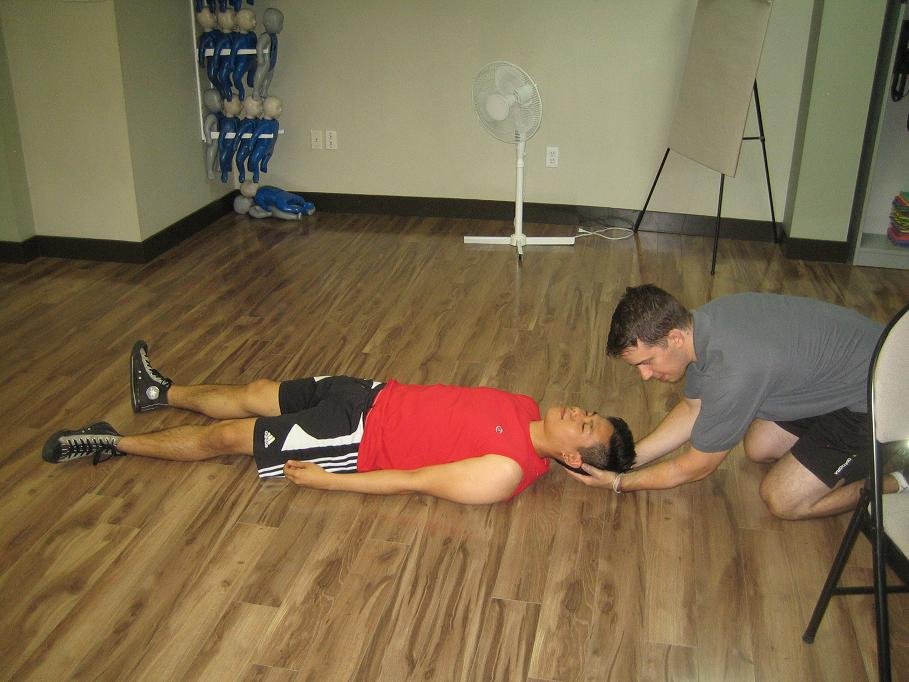
If the injury occurred during a vehicle collision or fall from height, keep the individual still and protect the neck due to the risk of spinal injury.
Extra caution is required for individuals who:
- Are under the influence of drugs or alcohol
- Are taking blood-thinning medications such as warfarin or heparin
First Aid Awareness and Safety Note
Anyone who sustains a head injury should be monitored closely, even if symptoms seem mild at first. Early recognition and proper response can significantly reduce the risk of long-term complications.
This information is provided for educational and first aid awareness purposes only and does not replace professional medical evaluation or treatment. Learning how to recognize head injuries and respond appropriately is a core component of first aid and CPR training in Canada.
St. Mark James Training, Canada’s largest 100% Canadian-owned and operated first aid and CPR training provider, teaches individuals how to assess head injuries, recognize danger signs, and take appropriate action in emergencies.
About The Author

Mark Kascha
Certified First Aid Instructor Trainer with 30+ years of real-world experience, including lifeguarding, workplace emergency response, and first aid program development across Canada. Has worked with WorkSafeBC, WSIB, and Manitoba Health.
👉 [View full credentials]🔗 View LinkedIn Profile
Last reviewed: March 2026