Methicillin-resistant Staphylococcus aureus (MRSA) is a strain of staph bacteria that has developed resistance to several commonly used antibiotics. While staph bacteria have long been a cause of skin and soft-tissue infections, MRSA is more concerning because standard treatments may not work effectively.
In Canada, MRSA infections are seen both in healthcare settings (such as hospitals or long-term care facilities) and in the community. Early recognition, medical assessment, and infection control practices are essential—especially for vulnerable individuals or those recovering from surgery.
How MRSA Infections Develop
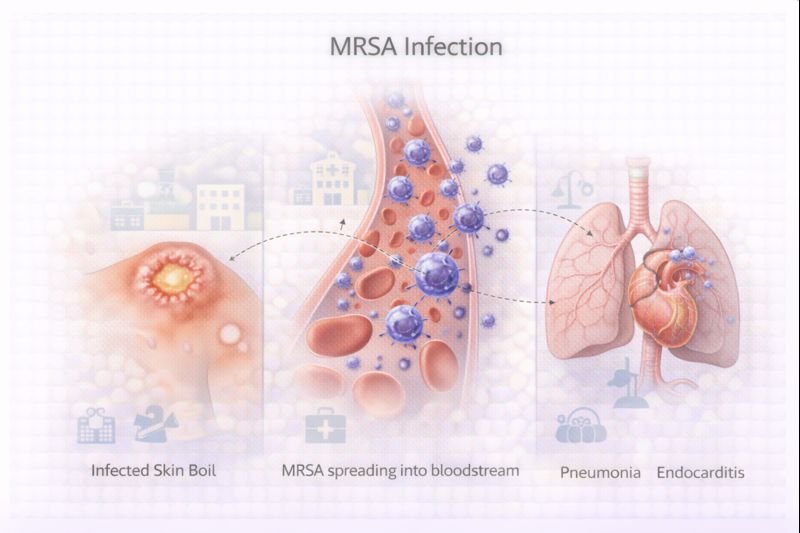 MRSA can enter the body through cuts, scrapes, wounds, or injection sites. Once inside, the bacteria may cause:
-
Skin infections such as boils, lesions, abscesses, or cellulitis
-
Joint or bone infections (arthritis or osteomyelitis)
-
Bloodstream infections, which can lead to endocarditis or sepsis
-
Pneumonia, especially after hospitalization or respiratory procedures
Anyone with a concerning wound, worsening rash, or unusual drainage should seek medical care promptly—especially if they have recently been hospitalized or live with chronic health conditions.
Higher-Risk Situations and Environments
MRSA can spread through close contact or shared equipment, which makes prevention important in:
-
Healthcare settings
-
Long-term care homes
-
Correctional facilities
-
Daycares and schools
-
Gyms and sports facilities
-
Industrial and workplace environments
-
First aid and emergency response settings
Good hygiene, surface cleaning, and wound care are crucial for limiting spread—especially where employees share tools, uniforms, PPE, or equipment.
Possible Complications
Untreated MRSA can lead to serious complications, including:
-
Osteomyelitis – infection of bone tissue
-
Septic arthritis – infection inside joints
-
Pneumonia – especially after hospitalization
-
Endocarditis – inflammation of heart lining or valves
-
Septic shock – a medical emergency requiring rapid intervention
Symptoms such as persistent fever, rapid heart rate, difficulty breathing, or altered mental status require immediate medical attention.
Prevention and First Aid Considerations
While first aid providers cannot diagnose infections, workplace and community education can reduce transmission risk. Key prevention measures include:
-
Regular handwashing and surface disinfection
-
Keeping wounds clean and covered
-
Avoiding shared personal items (towels, razors, equipment)
-
Prompt reporting of workplace injuries
-
Early medical assessment for suspicious skin infections
These practices align with Canadian public health recommendations and workplace safety requirements.
Why This Matters for Training and Safety
MRSA awareness connects to several areas of first aid and safety education:
-
First Aid Training: emphasizes wound care, infection prevention, and when to seek medical assessment
-
Workplace Safety Training: supports infection control protocols in high-contact or industrial environments
-
CPR & AED Programs: ensure responders operate safely in environments with potential exposure to bodily fluids
-
Food Safety Courses: reinforce hygiene and contamination control, especially in commercial kitchens and long-term care dining facilities
These skills help Canadians recognize potential issues early while supporting safer workplaces and communities.
Canadian Healthcare Context
Diagnosis and management of MRSA infections require medical assessment. Treatment may involve specialized antibiotics and, in certain cases, hospitalization. Early intervention helps limit complications and reduces spread within families, schools, and workplaces.
Disclaimer:
This article is for public education only and does not replace medical assessment, diagnosis, or treatment. Individuals with worsening symptoms, suspected infection, or medical emergencies should seek healthcare assistance promptly.
About The Author

Mark Kascha
Certified First Aid Instructor Trainer with 30+ years of real-world experience, including lifeguarding, workplace emergency response, and first aid program development across Canada. Has worked with WorkSafeBC, WSIB, and Manitoba Health.
👉 [View full credentials]🔗 View LinkedIn Profile
Last reviewed: March 2026