What Is an AED?
An AED (Automated External Defibrillator) is a portable medical device designed to analyze heart rhythm and deliver a shock during sudden cardiac arrest. AEDs are commonly found in workplaces, public facilities, community centres, schools, and sports venues.
Why AED Readiness Matters for First Aid & Workplaces
Sudden cardiac arrest can occur without warning, and early defibrillation significantly increases survival. In Canada, many workplaces maintain AEDs as part of their Occupational Health & Safety and first aid programs. Even though AEDs are simple to use, they must be ready, charged, and stocked long before an emergency happens.
Scenario: Mild & Realistic
At a manufacturing site, the joint health and safety committee performs monthly AED checks. During one inspection, the team finds that the pads are nearing expiry and orders a replacement. Although the device was never needed that year, the routine check ensured it would function properly if required in an emergency.
Key Components That Require Regular Inspection
AED readiness involves more than confirming the device powers on. The following components are typically checked in workplace safety programs:
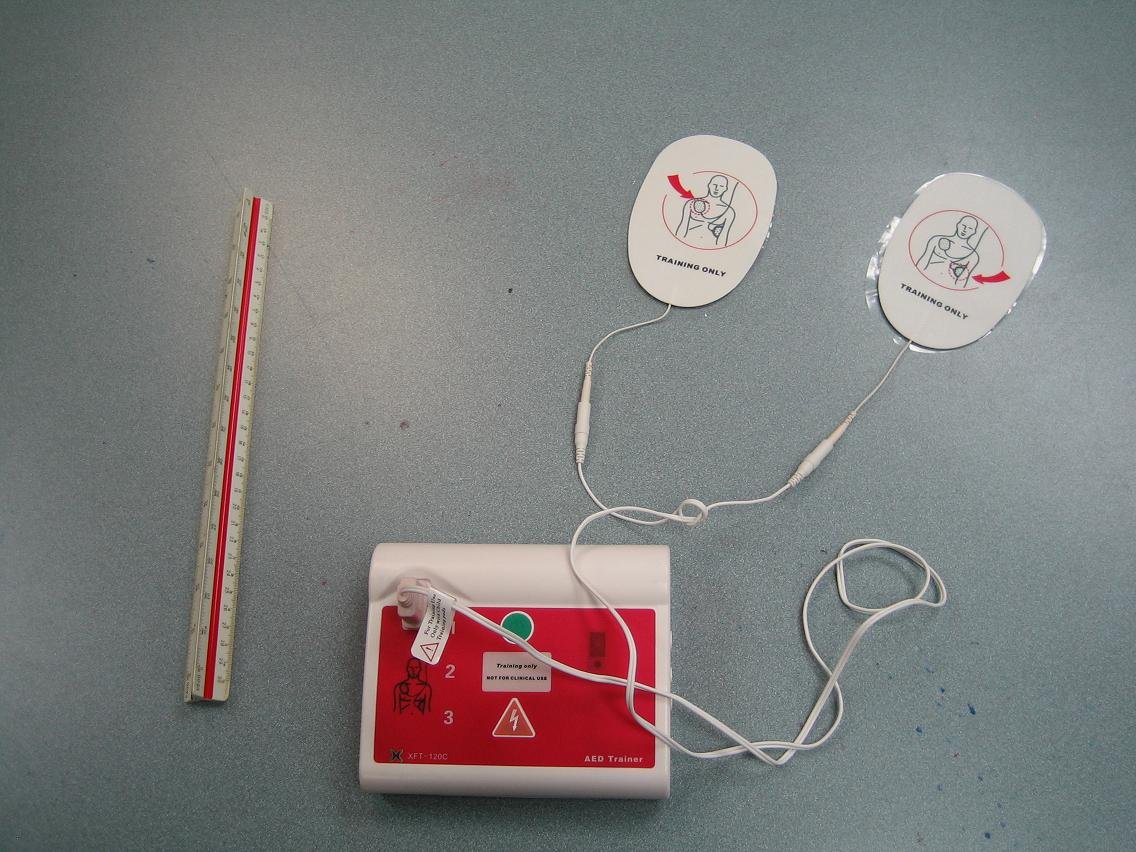
1. Electrode Pads (Pads/Leads)
-
Must remain sealed and intact to maintain adhesion
-
Have expiry dates determined by the manufacturer
-
Enable the AED to sense heart rhythm effectively
If pads are expired, unsealed, dried out, or damaged, the AED may not function as intended.
2. Primary Battery
-
Powers the AED during standby and activation
-
Many AEDs perform automatic self-checks and display status indicators
-
Some models include a test button or visual readiness window
Batteries that are depleted or aging may prevent the device from powering up at a critical moment.
3. Cables & Connectors
-
Connect electrode pads to the AED electronics
-
Should be stored protected without tight bending or strain
-
Must remain accessible during emergencies
Damaged cabling can interfere with rhythm analysis or shock delivery.
4. Secondary / Backup Battery
Some AED programs include a backup battery to support extended use during a prolonged event or if the primary battery fails. A workplace may keep additional batteries based on manufacturer recommendations or organizational protocols.
5. Charging System / Power Source
For AEDs that remain plugged in:
-
Prevents slow drain of primary battery
-
Helps maintain continuous readiness
-
Useful in facilities where the device may not be used for long periods
6. Recording & Event Memory
Many AEDs store event data on:
-
Internal memory
-
Data cards
-
Digital storage modules
-
Printout systems (depending on model)
Workplaces with emergency response programs may review this data after an event for safety documentation, training, or regulatory purposes.
Inspection Frequency & Responsibility
AEDs may be checked:
-
Monthly (common in workplaces)
-
After each use
-
According to manufacturer guidelines
-
During internal first aid kit audits
Responsibility may fall to:
-
Health & Safety Committees
-
First Aid Attendants
-
Facility Managers
-
Sports and recreation coordinators
Documentation logs are often maintained for compliance and accountability.
Prevention & Workplace Integration
Strong AED programs may include:
-
Clear signage and access
-
Staff awareness of AED locations
-
Integration with first aid training
-
Battery and pad replacement tracking
-
Coordination with local emergency services (in some jurisdictions)
FAQ — AED Readiness & Workplace Safety
1. Do AED pads expire?
Yes. Adhesive pads have expiry dates related to gel quality and performance.
2. Does an AED need power if it’s rarely used?
Yes. Batteries can deplete over time, even without use.
3. Who checks AEDs in the workplace?
Roles vary, but many organizations assign trained safety personnel or committee members.
4. Does a workplace need multiple AEDs?
Placement depends on building size, layout, and response policies. Emergency planners determine this.
5. Should employees know how to use an AED?
Awareness helps. Many first aid courses include AED orientation, and public access AEDs provide voice prompts during emergencies.
Educational Note
This article supports public and workplace awareness of AED maintenance and readiness. Formal AED use and emergency response training should be provided by qualified instructors and healthcare professionals.
Primary battery
The primary battery is the battery that remains in the AED when it is not used. Most of the AEDs in the market are built with a self-check diagnostic function. If the device has a button labelled “TEST”, this is the button that you have to push to run the daily diagnostic test. In case there is no test button, turn on the AED by pressing the “ON” button. If the device readily turns on and if the automated voice prompts instructs you to attach the electrodes, it indicates that the battery is properly functioning.
Cable of the electrodes
You have to locate the cables of the electrodes. This is the cable that attaches to the monitor on one end and on the electrode pads at the other. The cable must be stored in the AED case or bag. Avoid winding the cable too tightly since the internal lead wires might break. You have to store the cable loosely layered inside the kit.
Secondary battery
You should check if a secondary battery is stored within the device. In case there is no secondary battery in the kit, you have to locate it. Once the AED is utilized for defibrillation, the battery will be gradually used up. Take note that the secondary battery is vital if the primary battery malfunctions or fails during a rescue attempt. You have to test the secondary battery by detaching the primary battery and simply follow the same steps used when checking the primary battery.
DC charging cable
The AED must be plugged into a direct current power source if not used. By keeping the device connected, it will ensure that the device is ready and keeps the primary battery from depleting over time. This is important for devices that are not used for long periods.
Recording
Check if tracing paper is loaded into the device since not all utilize tracing paper. If the AED uses tracing paper, inspect if the paper is loaded properly by pressing the “RECORD” button while the device is on. Every device utilizes a form of recording memory. The second commonly used memory device is a card that pushes into a port similar to a data card using for digital cameras. The recording device is usually on the side of the device behind a small door.
About The Author

Mark Kascha
Certified First Aid Instructor Trainer with 30+ years of real-world experience, including lifeguarding, workplace emergency response, and first aid program development across Canada. Has worked with WorkSafeBC, WSIB, and Manitoba Health.
👉 [View full credentials]🔗 View LinkedIn Profile
Last reviewed: March 2026