
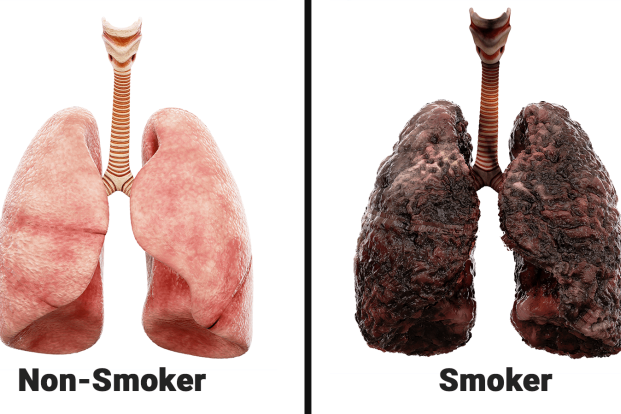
 A healthy respiratory system is designed to protect the lungs from occasional exposure to dust, smoke, and other airborne irritants. However, cigarette smoke overwhelms and damages these natural defenses, exposing the lungs to thousands of toxic chemicals on a daily basis.
It is important to recognize that secondhand smoke carries many of the same dangers as smoking itself, making this a critical topic for first aid training, workplace safety, CPR awareness, and public health education across Canada.
Why the Respiratory System Is Vulnerable
Breathing supplies oxygen required for:
-
Cell growth
-
Brain and organ function
-
Muscle activity and endurance
When the lungs, airways, or blood vessels are damaged by cigarette smoke, this oxygen exchange becomes impaired. Over time, this imbalance can affect overall physical health, exercise tolerance, and emergency response capacity.
Types of Exposure to Cigarette Smoke
Cigarette smoke affects the body regardless of how it is inhaled:
-
Mainstream smoke: inhaled directly by the smoker
-
Secondhand smoke: inhaled by people nearby
-
Thirdhand smoke: toxic particles that cling to clothing, hair, furniture, and indoor surfaces
Children, infants, and pregnant individuals are particularly vulnerable. In enclosed spaces such as homes, vehicles, and workplaces, smoke particles remain in the environment long after the cigarette is extinguished.
Respiratory Effects of Cigarette Smoke
Airway and Lung Damage
Repeated exposure leads to:
-
Chronic irritation of the throat and bronchial tubes
-
Scarring and narrowing of airways
-
Reduced ability to clear mucus and pathogens
Over time, this damage can develop into chronic obstructive pulmonary disease (COPD), including:
-
Chronic bronchitis (persistent cough with mucus)
-
Emphysema (difficulty exhaling due to damaged air sacs)
These conditions significantly reduce oxygen delivery to the bloodstream and heart.
Impact on Oxygen Transport
Smoking-related conditions such as atherosclerosis can narrow pulmonary blood vessels, further limiting oxygen flow. This can result in:
-
Fatigue
-
Shortness of breath
-
Reduced exercise capacity
-
Increased risk during medical emergencies
From a CPR and first aid perspective, compromised oxygenation increases the severity of respiratory distress and cardiac events.
Effects on the Immune System
Cigarette smoke contains thousands of toxic and carcinogenic substances that weaken immune defenses. This increases the risk of:
-
Frequent respiratory infections
-
Pneumonia
-
Acute bronchitis
Long-term exposure significantly raises the risk of cancers affecting:
-
Lungs
-
Throat and larynx
-
Mouth
-
Blood
Common Symptoms After Smoke Exposure
Signs of respiratory irritation include:
-
Wheezing
-
Persistent coughing
-
Excess phlegm
-
Shortness of breath
Recurrent infections or a daily “smoker’s cough” may indicate declining lung function that requires medical assessment.
First Aid and Workplace Safety Considerations
In Canadian workplaces, schools, childcare settings, and public spaces, smoke exposure is a recognized health hazard. First aid responders should be aware that individuals exposed to cigarette smoke may:
-
Deteriorate more quickly during respiratory emergencies
-
Have reduced tolerance to physical exertion
-
Be at higher risk during cardiac or breathing-related incidents
Smoke-free policies play an important role in injury prevention, occupational health, and emergency preparedness.
When to Seek Medical Attention
Medical care should be sought if an individual experiences:
-
Persistent shortness of breath
-
Chest tightness
-
Recurrent lung infections
-
Sudden breathing difficulty after smoke exposure
Early intervention can slow disease progression and reduce complications.
Educational Disclaimer
This article is intended for general education and first aid awareness only, with a focus on Canadian health, workplace safety, and emergency response training.
It does not replace professional medical advice, diagnosis, or treatment.
If someone experiences severe breathing difficulty, chest pain, or collapse, call 911 in Canada immediately and begin appropriate first aid or CPR if trained.
About The Author

Mark Kascha
Certified First Aid Instructor Trainer with 30+ years of real-world experience, including lifeguarding, workplace emergency response, and first aid program development across Canada. Has worked with WorkSafeBC, WSIB, and Manitoba Health.
Last reviewed: March 2026