 Ear infections are very common in children and are a frequent reason for discomfort, missed school days, and medical visits. Understanding why ear infections happen, how to reduce risk, and when first aid awareness matters can help parents, caregivers, and educators respond appropriately.
This article is intended for general education and first aid awareness only and does not replace medical advice.
How Ear Infections Develop
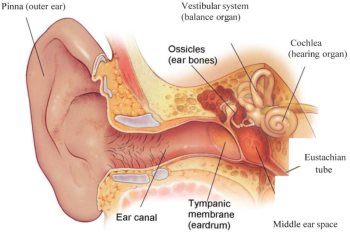
Most childhood ear infections involve the middle ear, which is connected to the back of the throat by a narrow passage called the Eustachian tube. This tube normally:
-
Allows air to circulate
-
Drains fluid and debris from the ear
-
Helps equalize pressure
When the tube becomes blocked by mucus or swelling, fluid can build up behind the eardrum. This creates an environment where bacteria or viruses can grow, leading to infection.
Why Children Get Ear Infections More Often
Ear infections occur in both adults and children, but children are at higher risk because:
-
Their Eustachian tubes are shorter and narrower
-
Drainage is less effective
-
Tubes clog more easily during illness
This anatomy makes it easier for fluid to become trapped.
Common Risk Factors for Recurrent Ear Infections
Several everyday factors increase the likelihood of ear infections in children:
Colds and Allergies
Ear infections often follow:
-
Upper respiratory infections
-
Seasonal allergies
Children exposed to group settings are more likely to catch colds, which can lead to middle ear infections.
Second-Hand Smoke Exposure
Exposure to cigarette smoke:
-
Irritates the airways
-
Increases mucus production
-
Raises the risk of ear infections
Smoke-free environments are an important part of child health and safety.
Bottle Feeding Position
Infants who are bottle-fed while lying flat are more prone to ear infections because:
-
The Eustachian tube can collapse
-
Fluid may pool more easily
Feeding infants in an upright position helps reduce this risk.
Ear Infections After Swimming
Children who swim frequently may develop swimmer’s ear, also known as otitis externa. This is an infection of the outer ear canal, not the middle ear.
Swimmer’s ear develops when:
-
Water remains trapped in the ear canal
-
Microorganisms grow in the moist environment
Preventing Swimmer’s Ear
Helpful prevention strategies include:
-
Using removable ear plugs while swimming
-
Drying ears thoroughly after swimming or bathing
-
Tilting the head to allow water to drain
-
Using a hair dryer on the lowest heat setting at a safe distance
Avoid:
-
Using cotton swabs or objects inside the ear
-
Removing protective earwax unnecessarily
Earwax helps protect the ear canal from infection.
First Aid Awareness: When to Watch Closely
While ear infections are not usually emergencies, first aid awareness includes recognizing warning signs such as:
-
Persistent or worsening ear pain
-
Fever that does not improve
-
Drainage from the ear
-
Changes in hearing
-
Balance issues
These symptoms should prompt medical evaluation.
Hygiene and Infection Prevention
Good hygiene helps reduce ear infection risk:
-
Frequent handwashing
-
Staying up to date with routine immunizations
-
Teaching children to avoid touching their face and ears
Preventing respiratory infections helps prevent ear infections.
Key Safety Takeaways for Canadians
-
Ear infections are common in young children
-
Anatomy plays a major role in risk
-
Colds, smoke exposure, and feeding position matter
-
Swimmer’s ear is preventable with proper ear care
-
Early recognition supports quicker recovery
Educational Disclaimer
This article is provided for general education and first aid awareness only. It does not diagnose or treat ear infections. Always consult a healthcare professional for ongoing ear pain, fever, or drainage.
About The Author

Mark Kascha
Certified First Aid Instructor Trainer with 30+ years of real-world experience, including lifeguarding, workplace emergency response, and first aid program development across Canada. Has worked with WorkSafeBC, WSIB, and Manitoba Health.
👉 [View full credentials]🔗 View LinkedIn Profile
Last reviewed: March 2026