Falls from a bed are very common in children, particularly infants and toddlers who move during sleep. Many parents recognize the alarming sound of a child hitting the floor in the middle of the night. While most bed falls are minor, some can result in head injuries, fractures, or internal injuries, making first aid awareness essential for Canadian families, childcare providers, and workplaces that care for children.
⚠️ Educational & First Aid Disclaimer (Please Read)
This article is for first aid education and awareness only.
It is not a substitute for medical advice, diagnosis, or treatment.
If a child is injured, symptoms worsen, or you are unsure about their condition, seek medical care or call emergency services immediately.
Are Falls From Bed Usually Serious?
-
Most standard beds are less than 3 feet high, and falls from this height rarely cause severe injury
-
Bunk beds and loft beds significantly increase injury risk
-
Hard or uncarpeted floors raise the chance of head and limb injuries
Even low-height falls can occasionally cause serious harm, especially in infants and young children.
Immediate First Aid Assessment After a Fall
1. Check Vital Signs
Assess the child right away:
-
Breathing: shallow, slow, or irregular breathing is a red flag
-
Skin colour: pale or bluish colouring requires urgent care
⚠️ Vomiting
-
One episode may be normal
-
Three or more episodes can indicate a head injury and require medical assessment
Behavioural Warning Signs After a Fall
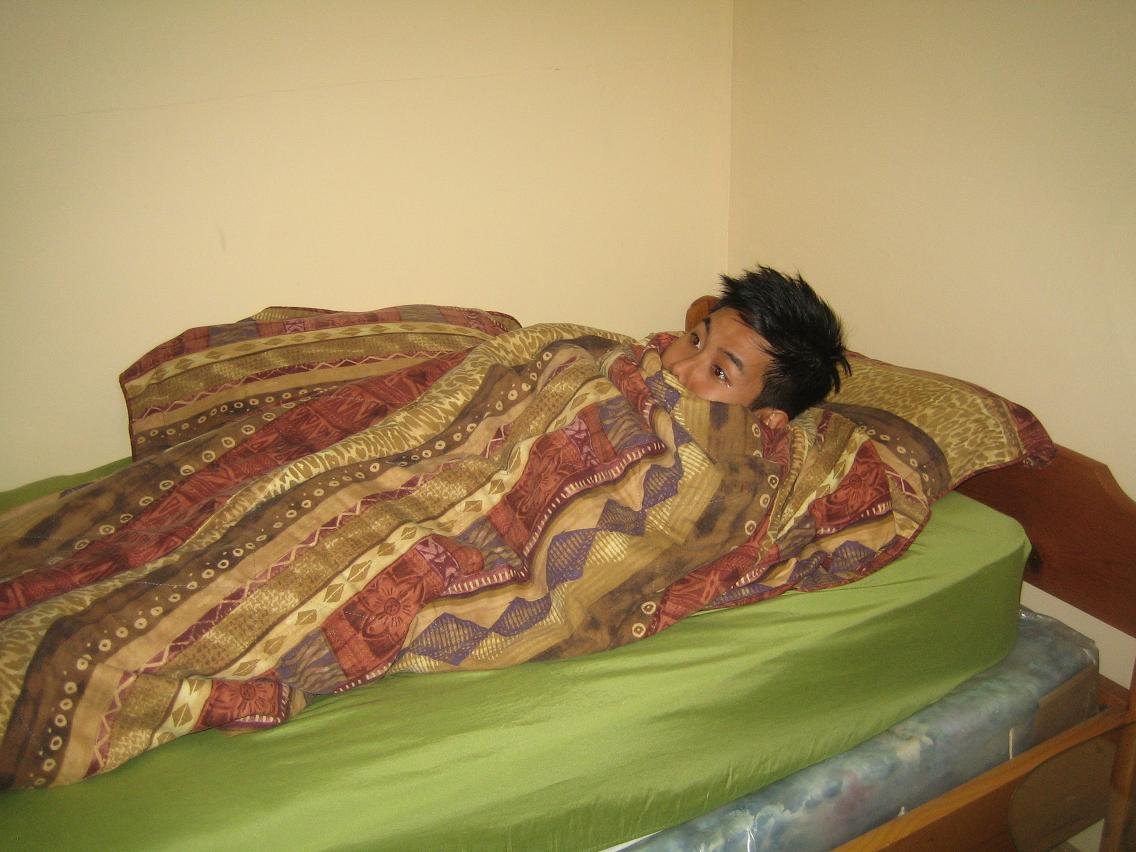
Head injuries may not be obvious immediately. Seek medical care if the child:
-
Loses consciousness, even briefly
-
Becomes unusually sleepy, lethargic, or hard to wake
-
Appears confused, irritable, or inconsolable
-
Complains of a severe or worsening headache
🚑 Call 911 immediately if the child remains unconscious or becomes progressively less responsive.
Visual Changes That Need Medical Attention
Watch closely for:
-
Eyes crossing, rolling, or rapid side-to-side movement
-
One pupil larger than the other
-
Blurred or double vision (older children may report this)
These symptoms require urgent medical evaluation.
Movement Problems & Possible Fractures
Falls can cause broken bones or neurological injuries. Watch for:
-
Refusal or inability to move an arm or leg
-
Pain with movement
-
Swelling, deformity, or abnormal limb position
-
Limping or loss of coordination
⚠️ Do not move the child if you suspect a neck or spinal injury—call emergency services immediately.
First Aid for Cuts, Bruises & Bumps
Bleeding
-
Apply direct pressure using a clean cloth
-
Seek medical care if bleeding will not stop
Cuts & Lacerations
-
Deep or gaping wounds may need stitches
-
Have these assessed by a healthcare professional
Bumps & Bruises
-
Large forehead bumps can look dramatic but are often minor
-
Apply a cold pack for 10–15 minutes
-
Monitor behaviour closely for 24–48 hours
Special Risk: Bunk Bed Falls
Falls from top bunks cause some of the most serious childhood injuries.
Canadian safety best practices include:
-
Guardrails on all sides
-
No children under 6 years old on top bunks
-
Night lights to reduce disorientation
-
Clear space around beds
When to Seek Emergency Care Immediately
Call emergency services if a child has:
-
Loss of consciousness
-
Repeated vomiting
-
Seizures
-
Unequal pupils
-
Difficulty breathing
-
Worsening headache
-
Signs of spinal injury
First Aid Takeaway
Most bed falls are minor, but head injuries can be subtle and delayed. Knowing how to assess a child, recognize red flags, and respond appropriately is a core first aid skill for parents, caregivers, educators, and workplaces across Canada.
About The Author

Mark Kascha
Certified First Aid Instructor Trainer with 30+ years of real-world experience, including lifeguarding, workplace emergency response, and first aid program development across Canada. Has worked with WorkSafeBC, WSIB, and Manitoba Health.
👉 [View full credentials]🔗 View LinkedIn Profile
Last reviewed: March 2026