What Is Beer Sensitivity or Intolerance?
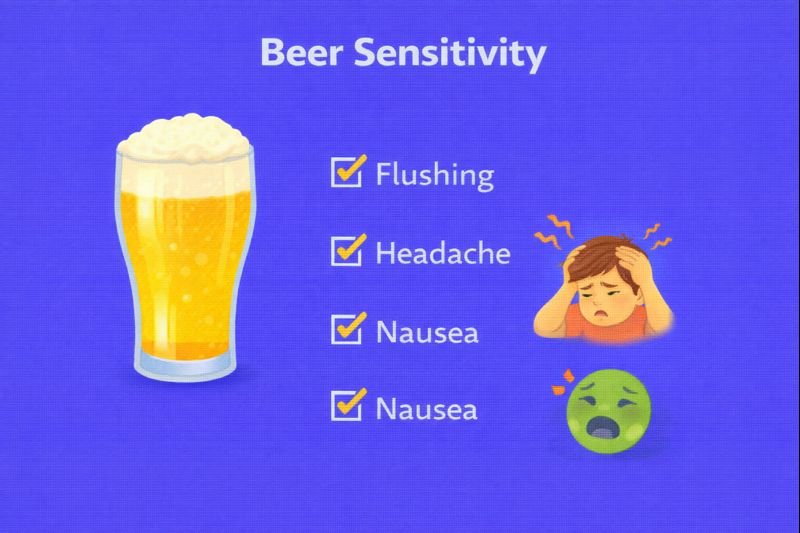
Some people notice uncomfortable symptoms after drinking beer even though they are not experiencing a true allergy. This is often described as intolerance or sensitivity, which means the body has difficulty processing certain ingredients rather than mounting an immune response. Beer contains several components—such as yeast, histamine, and flavour enhancers—that can contribute to temporary reactions in sensitive individuals.
Why Awareness Matters in Canadian Social and Workplace Settings
In Canada, beer is commonly served at social gatherings, restaurants, and community events. First aid awareness focuses on recognizing early discomfort, pacing intake, staying hydrated, and knowing when symptoms need further attention, rather than diagnosing an allergy. Understanding the difference between intolerance and allergy helps people make safer choices in shared environments.
A Simple, Realistic Scenario
At a weekend barbecue, an adult notices facial warmth and a mild headache shortly after one drink. Remembering basic first aid awareness, they switch to water, take a break from alcohol, and monitor how they feel before deciding whether to continue socializing.
Allergy vs. Intolerance: What’s the Difference?
True Allergy
-
Involves the immune system reacting to a substance
-
Symptoms can include swelling, breathing difficulty, or widespread hives
-
Requires prompt attention if severe symptoms appear
Intolerance or Sensitivity
-
Involves digestive or chemical processing rather than the immune system
-
Symptoms are usually uncomfortable but not life-threatening
-
Often linked to quantity consumed or individual sensitivity
Both can feel similar at first, which is why monitoring patterns and triggers is important.
Common Contributors to Beer Reactions
Sensitivity to Flavour Enhancers (e.g., MSG)
Some individuals report headaches, facial warmth, sweating, or a feeling of pressure after consuming foods or beverages that contain certain flavour additives. Reactions can appear within minutes or later the same day.
Histamine Sensitivity
Beer can contain histamine, a naturally occurring compound in fermented foods and beverages. People who are sensitive may notice flushing, rapid heartbeat sensations, or mild nasal or skin irritation.
Yeast Sensitivity
Because beer is fermented with yeast, some individuals experience digestive discomfort such as bloating or gas after drinking. Others may simply feel fatigued or notice mild skin warmth.
First Aid Awareness and General Comfort Measures
 From a public-education perspective, the emphasis is on moderation, hydration, and observation:
-
Alternate alcoholic beverages with water
-
Eat balanced meals rather than drinking on an empty stomach
-
Slow the pace of consumption and note personal limits
-
Avoid mixing multiple alcohol types in one sitting
-
Step into fresh air if feeling flushed or light-headed
-
Monitor for unusual or worsening symptoms and seek further guidance if concerns arise
These steps support comfort and help distinguish occasional sensitivity from patterns that may need closer attention.
Prevention and Everyday Considerations in Canada
-
Read labels and be aware of personal ingredient sensitivities
-
Choose social settings where non-alcoholic options are available
-
Practise responsible serving habits at workplace or community events
-
Maintain general wellness habits—adequate sleep, nutrition, and hydration
-
Encourage open communication if someone feels unwell during gatherings
Frequently Asked Questions About Beer Sensitivity
Is feeling flushed after beer always an allergy?
No. Flushing can also relate to sensitivity, hydration level, or quantity consumed.
Why do symptoms vary between brands?
Different brewing methods and ingredients can influence individual reactions.
Does drinking with food help?
For some people, eating beforehand reduces digestive discomfort.
Can hydration make a difference?
Yes. Adequate fluids support overall comfort and may reduce headache or light-headed feelings.
When should reactions be checked further?
If symptoms are severe, persistent, or involve breathing difficulty or widespread swelling, further assessment is advisable.
Educational Note
This article is intended for general public and workplace education in Canada. It supports awareness of alcohol-related sensitivities and first aid recognition but does not replace evaluation or care from qualified healthcare professionals.
About The Author

Mark Kascha
Certified First Aid Instructor Trainer with 30+ years of real-world experience, including lifeguarding, workplace emergency response, and first aid program development across Canada. Has worked with WorkSafeBC, WSIB, and Manitoba Health.
👉 [View full credentials]🔗 View LinkedIn Profile
Last reviewed: March 2026