
Capsaicin is the compound that gives chili and hot red peppers their characteristic heat. When it contacts the skin or mucous membranes, it stimulates pain sensors and causes a warm, tingling, or burning sensation.
Although most Canadians associate capsaicin with spicy food, the compound has been studied and used for a range of therapeutic purposes, from herbal supplements and topical pain creams to nasal sprays for certain chronic nasal conditions.
How Capsaicin Works
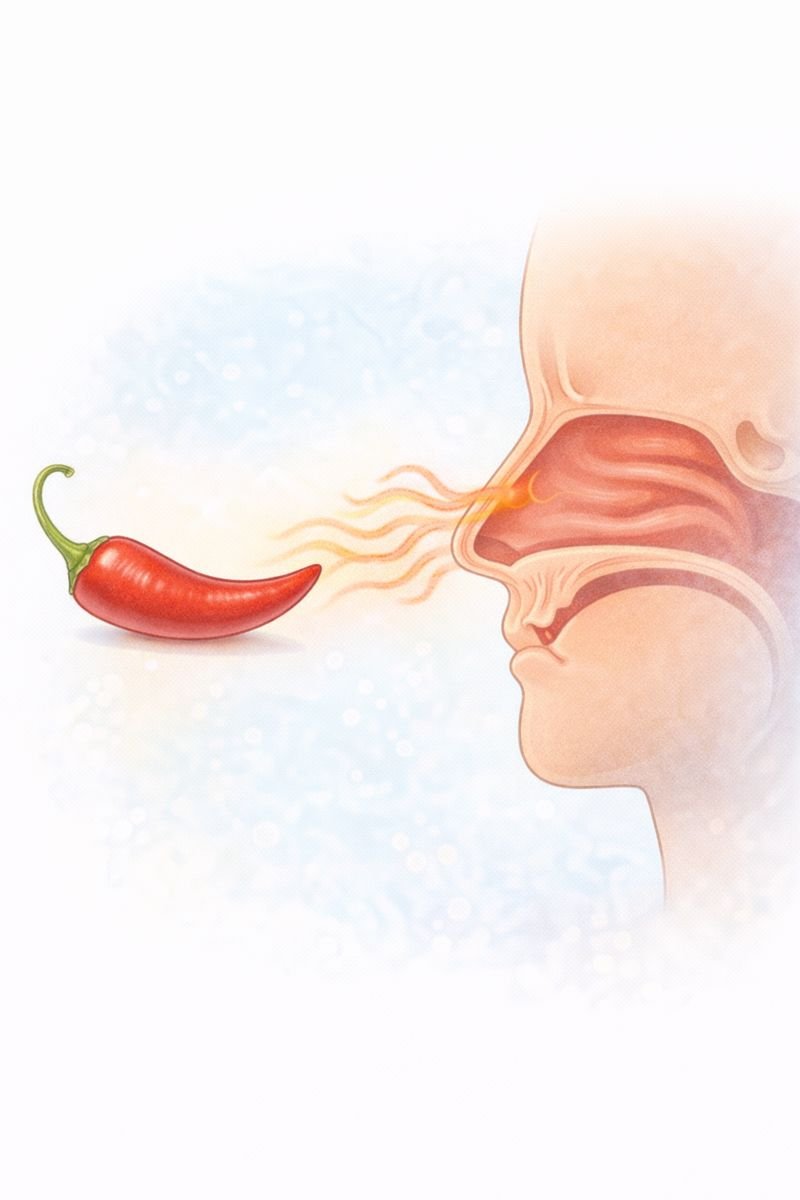 Capsaicin acts on nerve fibres responsible for transmitting pain signals. It reduces levels of substance P, a chemical that tells the nervous system to relay pain. When substance P is reduced, the sensation of pain in the affected area decreases over time.
For this reason, capsaicin is found in some over-the-counter topical medications used to help manage chronic pain conditions such as:
-
Diabetic neuropathy
-
Rheumatoid arthritis
-
Post-herpetic neuralgia
Non-Allergic Rhinitis Explained
Non-allergic rhinitis is a chronic nasal condition that does not involve immune allergies. Symptoms can include:
-
Runny nose
-
Nasal congestion
-
Postnasal drip
-
Sinus pressure
A common subtype called vasomotor rhinitis occurs when the nervous system in the nose reacts to irritants or environmental triggers such as:
-
Weather changes
-
Temperature changes
-
Humidity shifts
-
Strong smells or perfumes
Can Capsaicin Help With Non-Allergic Rhinitis?
Research is ongoing, but studies have shown symptom improvements when capsaicin nasal sprays are used over short treatment periods. Reported benefits include reduction in:
-
Nasal congestion
-
Sinus pressure
-
Headache
-
Sinus pain
Some people noticed relief within minutes. Side effects were typically mild, often described as temporary stinging.
While capsaicin appears promising for vasomotor rhinitis, evidence for treating allergic rhinitis is still limited.
Other Treatment Options
Traditional allergy treatments (such as oral antihistamines or allergy shots) are not always effective for non-allergic rhinitis. Treatments that may help include:
-
Nasal antihistamine sprays
-
Nasal steroid sprays
-
Nasal anticholinergic sprays
-
Oral decongestants (short-term use when appropriate)
Safety & First Aid Awareness
Capsaicin can cause temporary burning, irritation, or cough when it contacts sensitive areas. First aid knowledge helps Canadians manage accidental exposure from cooking, topical creams, or nasal sprays. Programs through St. Mark James Training provide broader education about irritant exposures, symptom recognition, and when to seek medical care. Pairing first aid with CPR/AED training is standard for workplaces, sports groups, and community settings across Canada.
Educational Disclaimer
This content is for public education in a Canadian context and does not replace medical assessment or treatment recommendations. Speak with a healthcare provider if symptoms persist, worsen, or interfere with daily activities.
About The Author

Mark Kascha
Certified First Aid Instructor Trainer with 30+ years of real-world experience, including lifeguarding, workplace emergency response, and first aid program development across Canada. Has worked with WorkSafeBC, WSIB, and Manitoba Health.
Last reviewed: March 2026