Individuals with asthma or other chronic lung conditions may be prescribed a dry powder inhaler (DPI) to help manage breathing difficulties. These conditions restrict airflow in the lungs, making it harder to breathe normally. A dry powder inhaler delivers medication directly into the lungs, allowing it to work more quickly and effectively than medication taken in pill form.
Because the medication is inhaled directly, lower doses are often required compared to oral medications, reducing potential side effects.
How a Dry Powder Inhaler Works
A dry powder inhaler is breath-activated, meaning the medication is released when the user inhales through the device. As you breathe in forcefully, the powdered medication is drawn into the lungs.
Dry powder inhalers come in various sizes and designs:
- Some require loading a dose before each use
- Others contain a built-in supply but still require dose preparation
The exact method depends on the specific inhaler prescribed.
Using a Dry Powder Inhaler Correctly
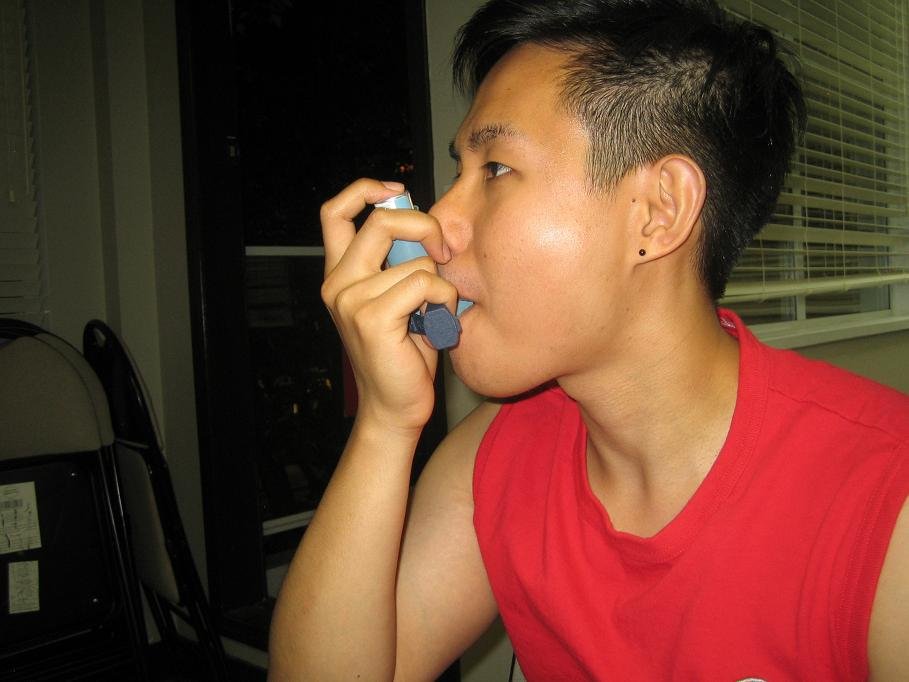
Proper technique is essential to ensure the medication reaches the lungs effectively. A healthcare provider should always demonstrate correct use.
General guidance includes:
-
Confirm you are using the correct medication
-
Remove the inhaler cap, if present
-
Load or prepare the dose as directed
-
Exhale fully away from the inhaler
-
Place the mouthpiece between your lips and seal tightly
-
Inhale quickly and deeply for 2–3 seconds
-
Remove the inhaler and hold your breath for about 10 seconds
-
Exhale slowly through pursed lips
-
Repeat if a second dose is prescribed
If the inhaler contains corticosteroids, rinse and gargle with water after use to prevent irritation or infection. Do not swallow the water.
⚠️ Important: A spacer should not be used with a dry powder inhaler. Spacers are only for metered-dose inhalers.
Storage and Care
- Store the inhaler in a cool, dry place
- Avoid bathrooms, as moisture can cause the powder to clump
- Monitor remaining doses (many inhalers include a dose counter)
- Clean only as instructed — daily cleaning is usually unnecessary
First Aid & Training Note (Embedded Disclaimer)
This information is provided for educational and first aid awareness purposes only and does not replace medical advice or training. Always follow the instructions provided by a healthcare professional. In an emergency involving severe breathing difficulty, call 911 immediately.
Understanding inhaler use is a key component of respiratory emergency response. St. Mark James Training, Canada’s largest 100% Canadian-owned and operated first aid and CPR training provider, offers first aid and CPR courses across Canada to help individuals, caregivers, and workplaces respond confidently to asthma attacks and breathing emergencies.
About The Author

Mark Kascha
Certified First Aid Instructor Trainer with 30+ years of real-world experience, including lifeguarding, workplace emergency response, and first aid program development across Canada. Has worked with WorkSafeBC, WSIB, and Manitoba Health.
👉 [View full credentials]🔗 View LinkedIn Profile
Last reviewed: March 2026